Claude Fable 5.1 in Claude Code 2.1.283
skills off
Zoom, inline player and more ways to view
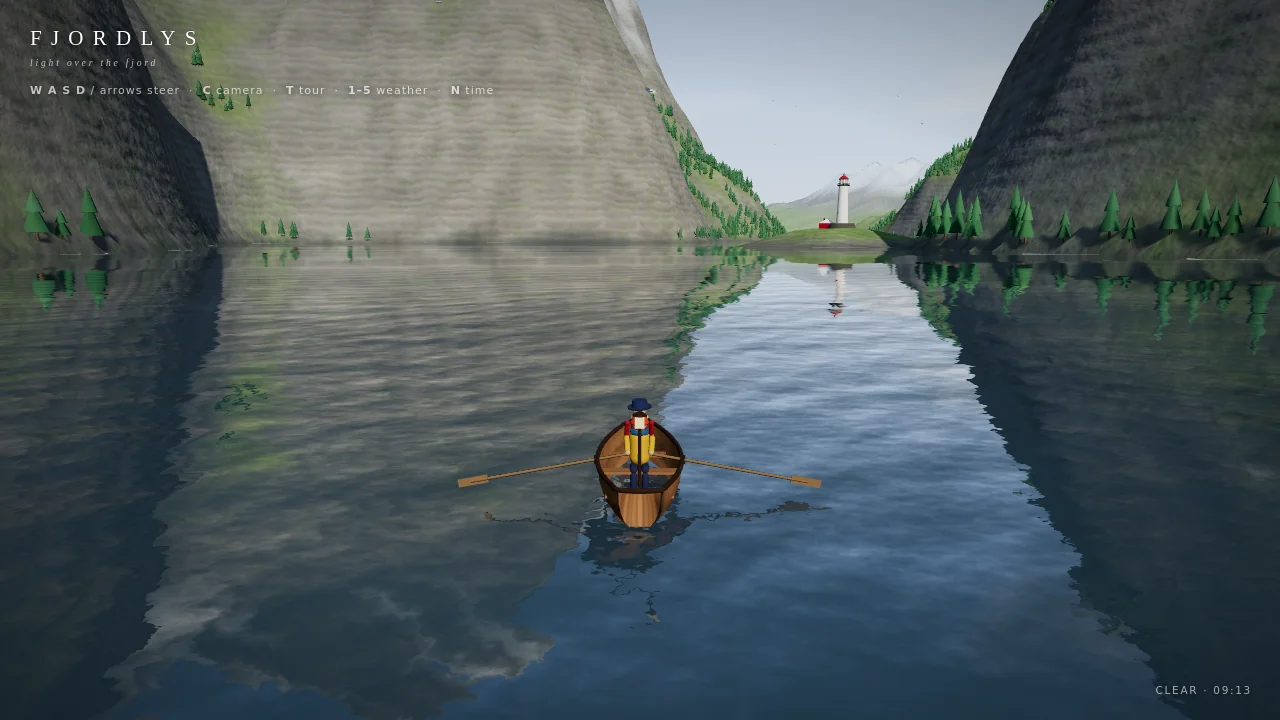
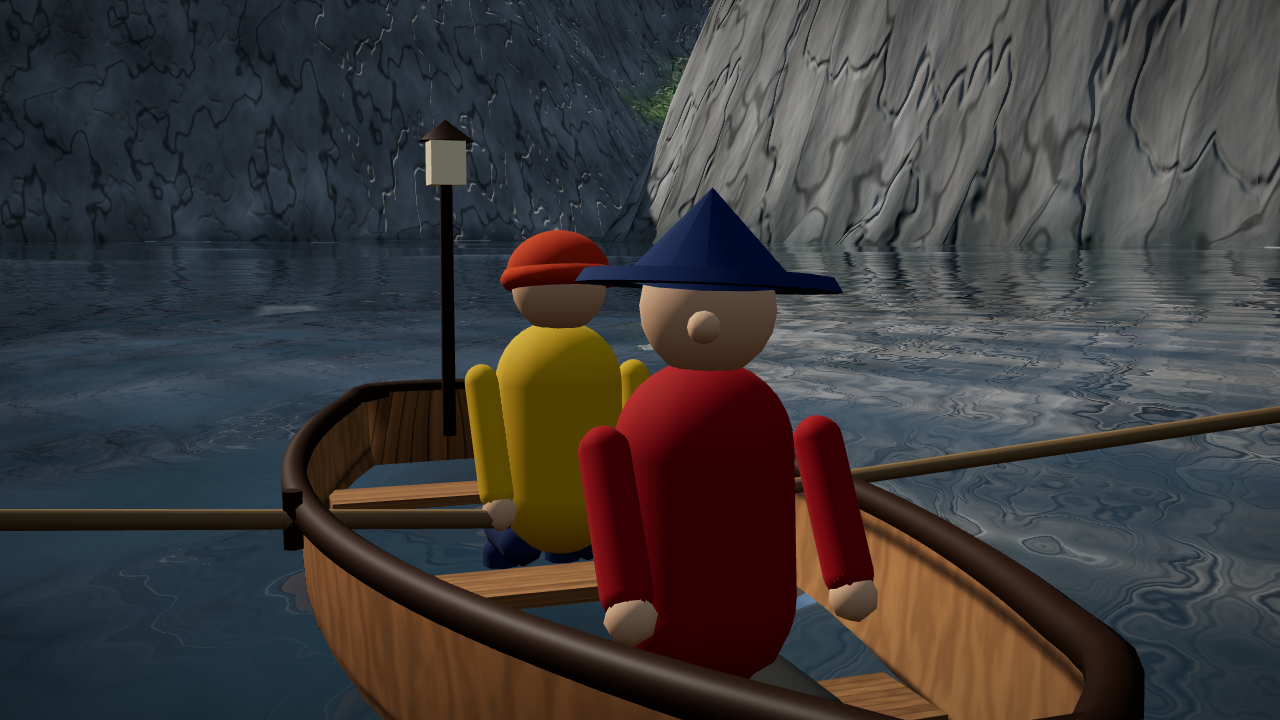
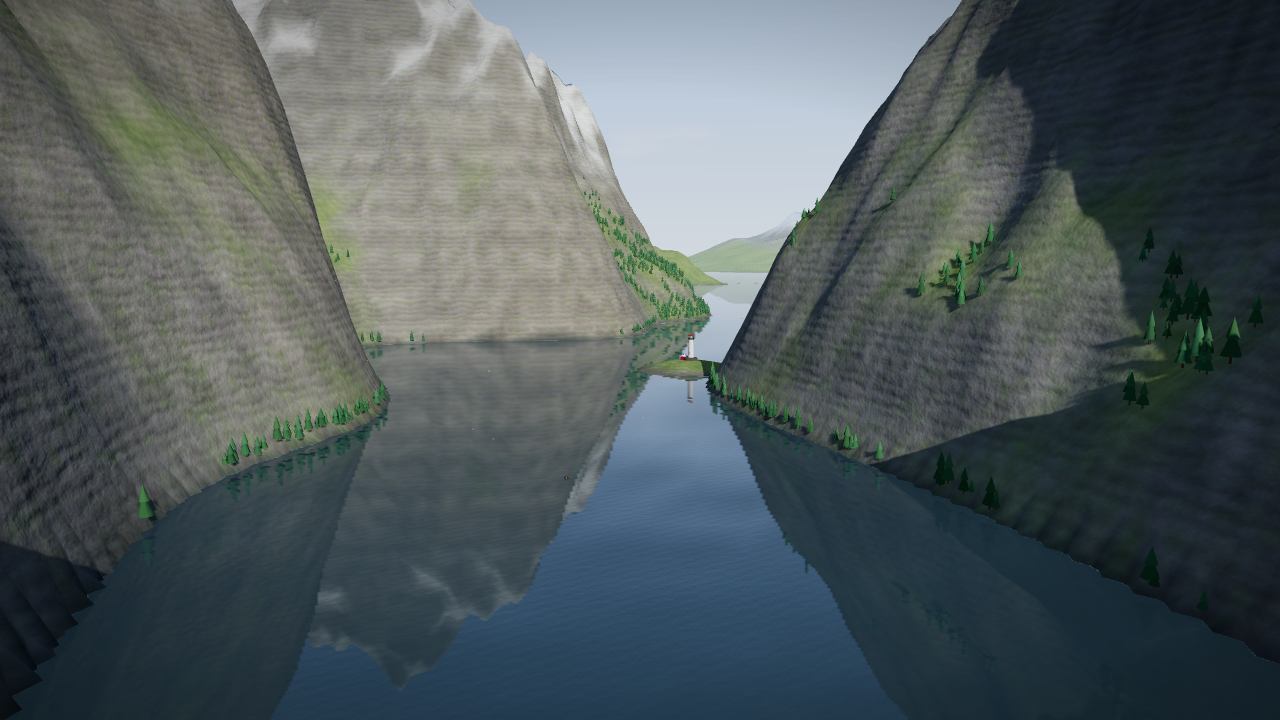
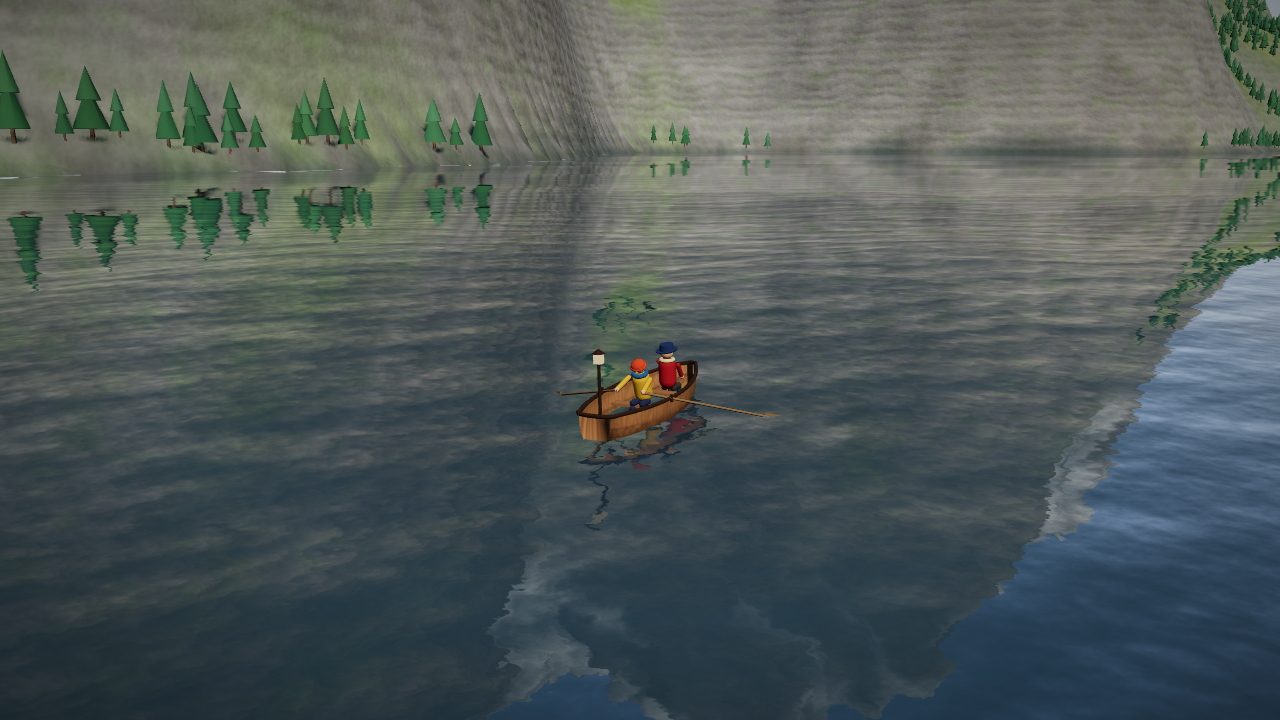
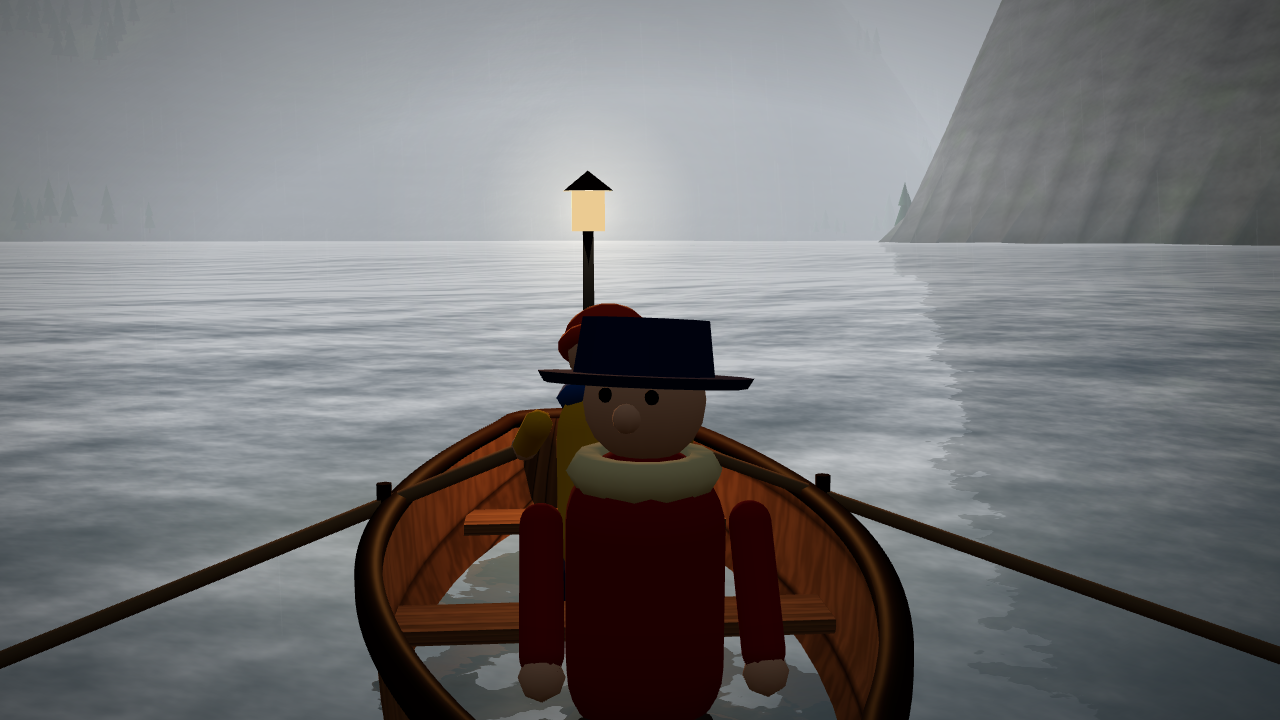
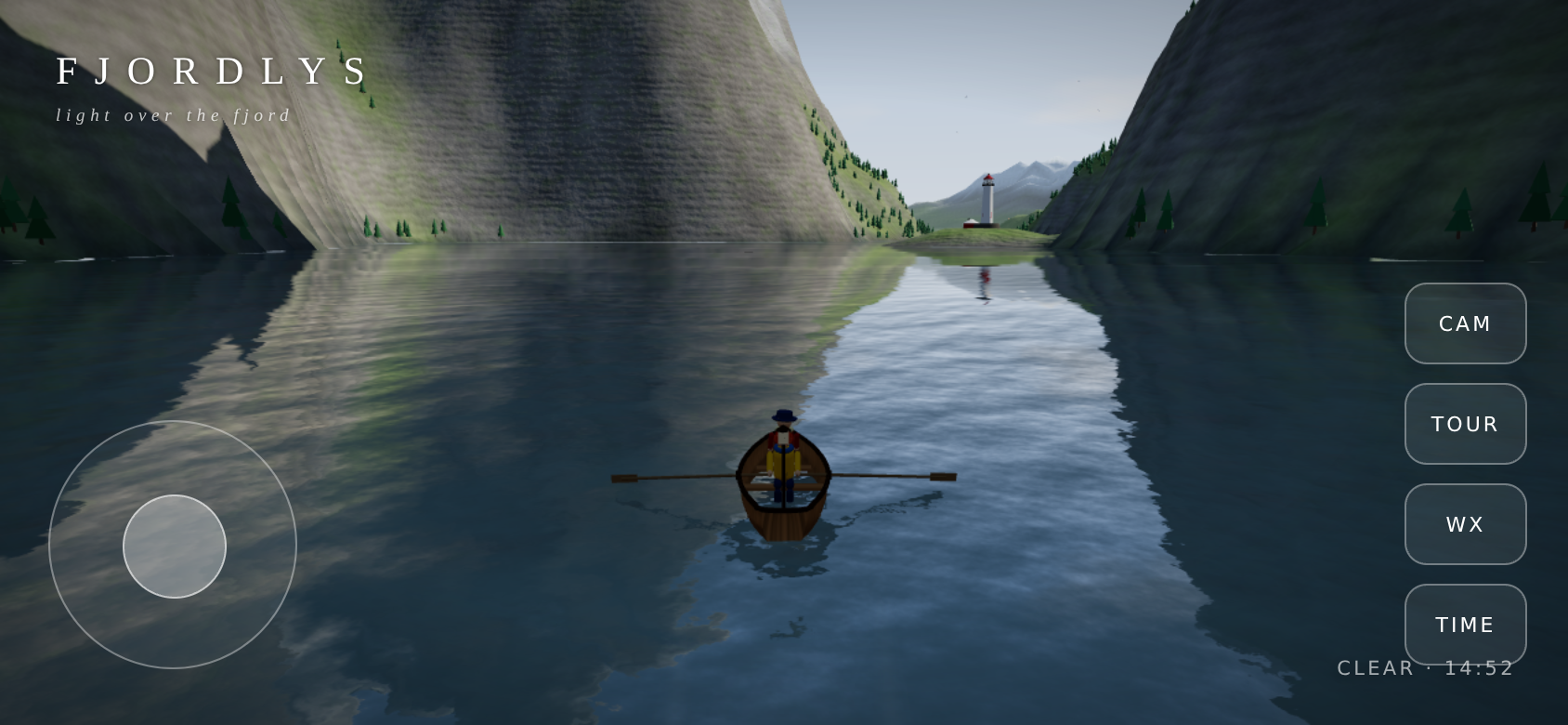
The model's own page, run in a sandboxed frame only when you ask (a page that needs its own origin opens in a new tab on a separate demo site). Phones get a full-screen player capped at 1.5x pixel density (2x on larger screens) so it stays smooth; the original page runs uncapped. It starts in its auto-tour (T switches to play mode on a keyboard).
Wall time 31m 18sCost $7.03 reported
Review
No verdict yet.
The full review
OK. harness exited rc=0 on its own
Attempt 2 of 2
Every try of this model in this harness on this prompt, oldest first. This run is the cell's result.
- Attempt 1 Stopped (our timeout)1h 14m$14.402026-09-25
- Attempt 2 OK this run31m 18s$7.032026-09-28
Scores
AI judge
Not scored
No rubric for this prompt
Visitor votes and reviewer grades are not available yet.
- AI judge
- AI judge: the test runner (model claude-opus-5-5), scoring by visual review of the 1600 px render against the pre-registered rubric. No AI-judge score exists for this result: there is no rubric for this prompt, so no score is shown and none is made up.
- Visitors
- Public voting with a blind reveal is coming: you score the output first, then see the other scores.
- Reviewer
- The reviewer's own grade appears here once it is added.
Scores compare results for the same prompt only. AI-judge boards rank runs within one prompt, equal totals sharing a rank; scores from different prompts are never averaged.
Downloads
Files actually published for this run. Original output, site-made previews and post-run conversions are labelled separately.
- HTML project entry point
- Poster / render by this site (WebP)
- Scrubbed run transcript
- Additional project file
- Additional project file
- Additional project file
- Additional project file
- Additional project file
- Additional project file
- Additional project file
- Additional project file
- Additional project file
- Additional project file
- Additional project file
- Additional project file
- Additional project file
- Additional project file
- Additional project file
- Additional project file
- Additional project file
- Additional project file
- Additional project file
- Additional project file
- Additional project file
- Additional project file
- Additional project file
- Additional project file
- Additional project file
- Additional project file
- Additional project file
- Additional project file
- Additional project file
- Additional project file
- Additional project file
- Additional project file
- Additional project file
- Additional project file
- Additional project file
- Additional project file
- Additional project file
- Additional project file
- Additional project file
- Additional project file
- Additional project file
- Additional project file
- Additional project file
- Additional project file
- Additional project file
- Additional project file
- Additional project file
- Additional project file
- Additional project file
- Additional project file
- Additional project file
- Additional project file
- Additional project file
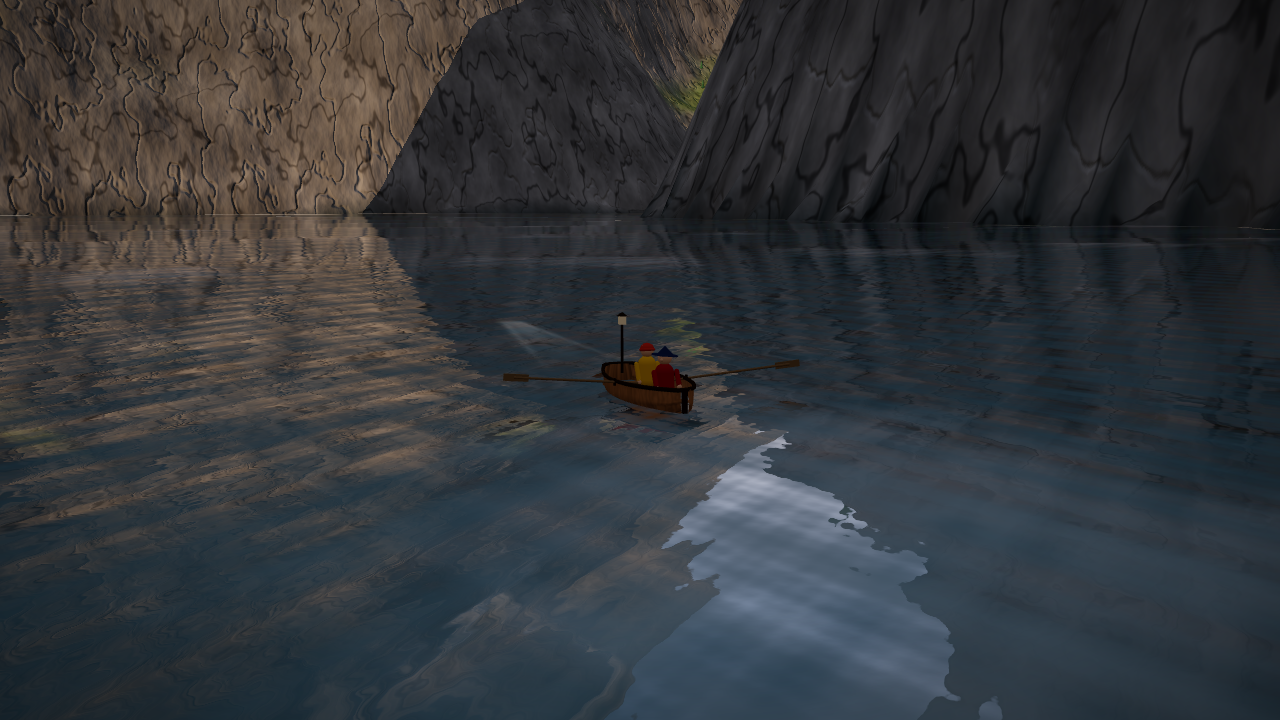
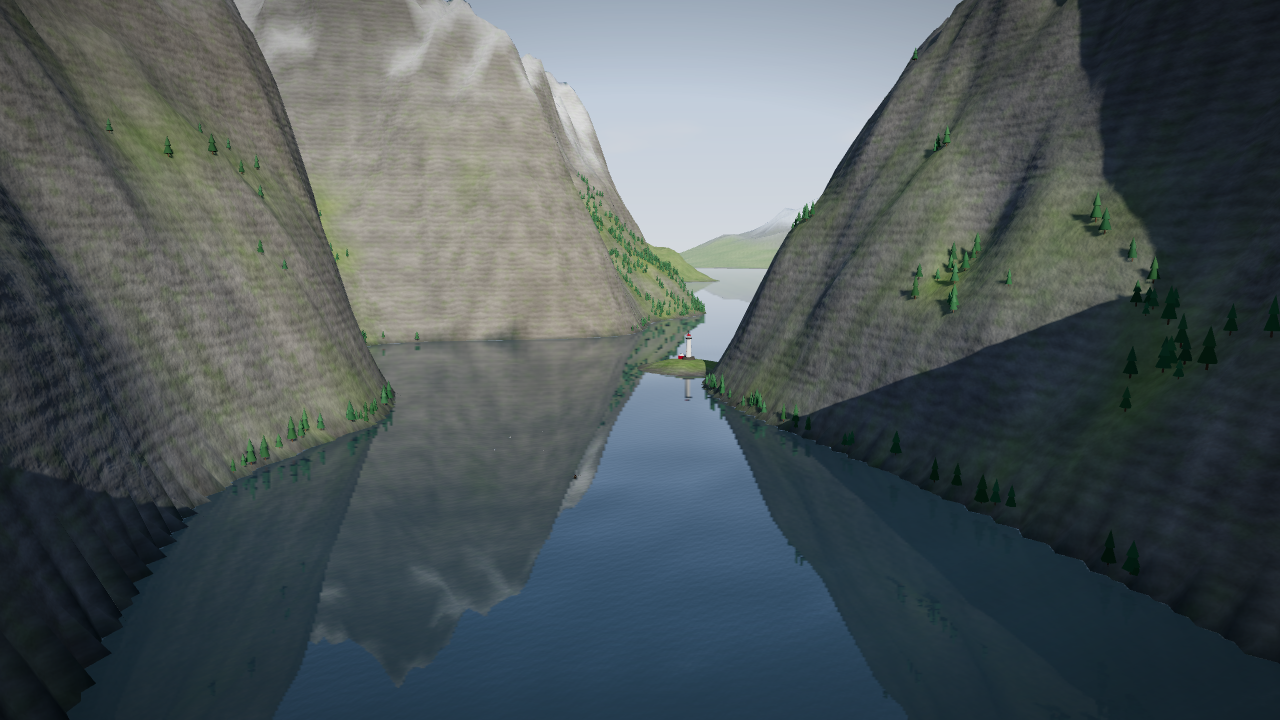
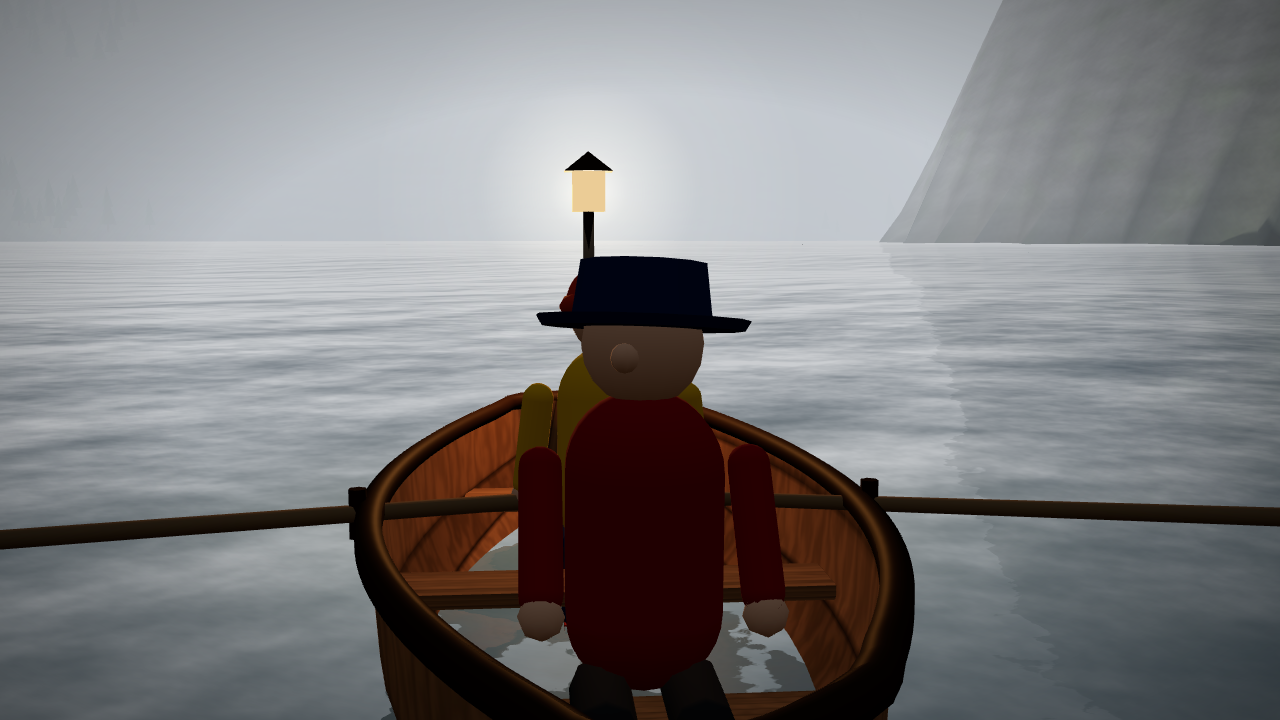
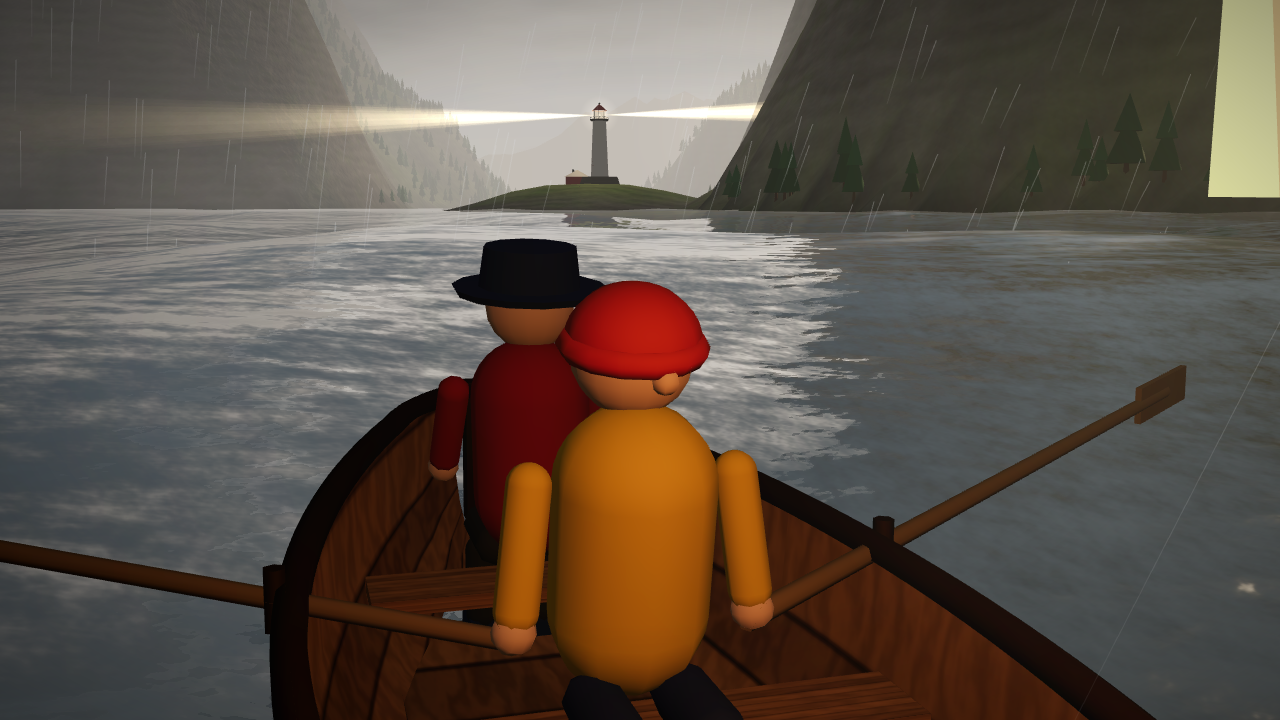
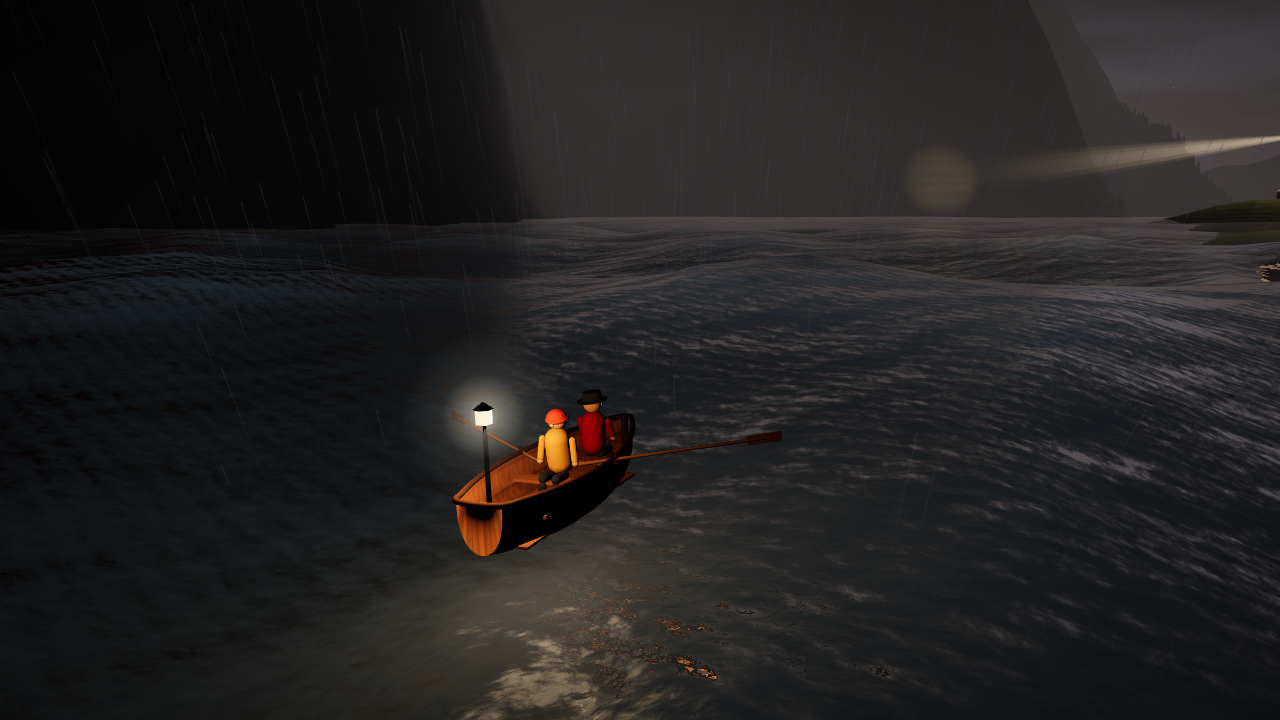
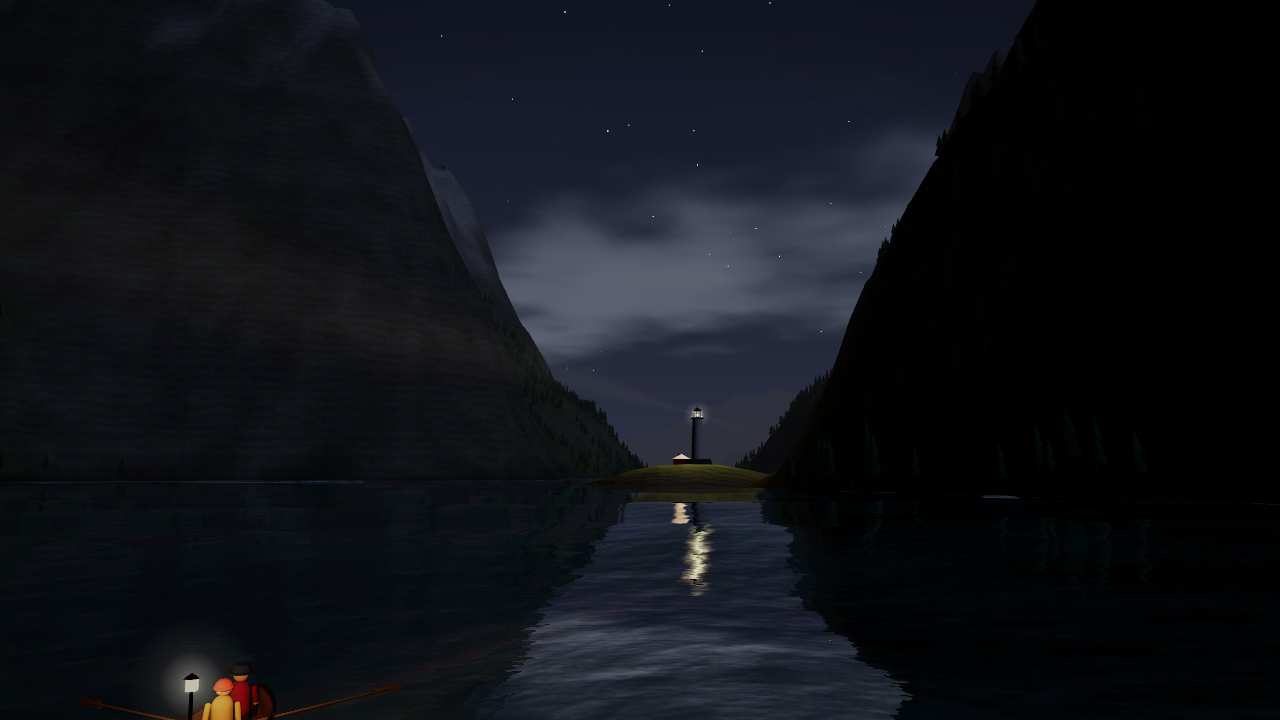
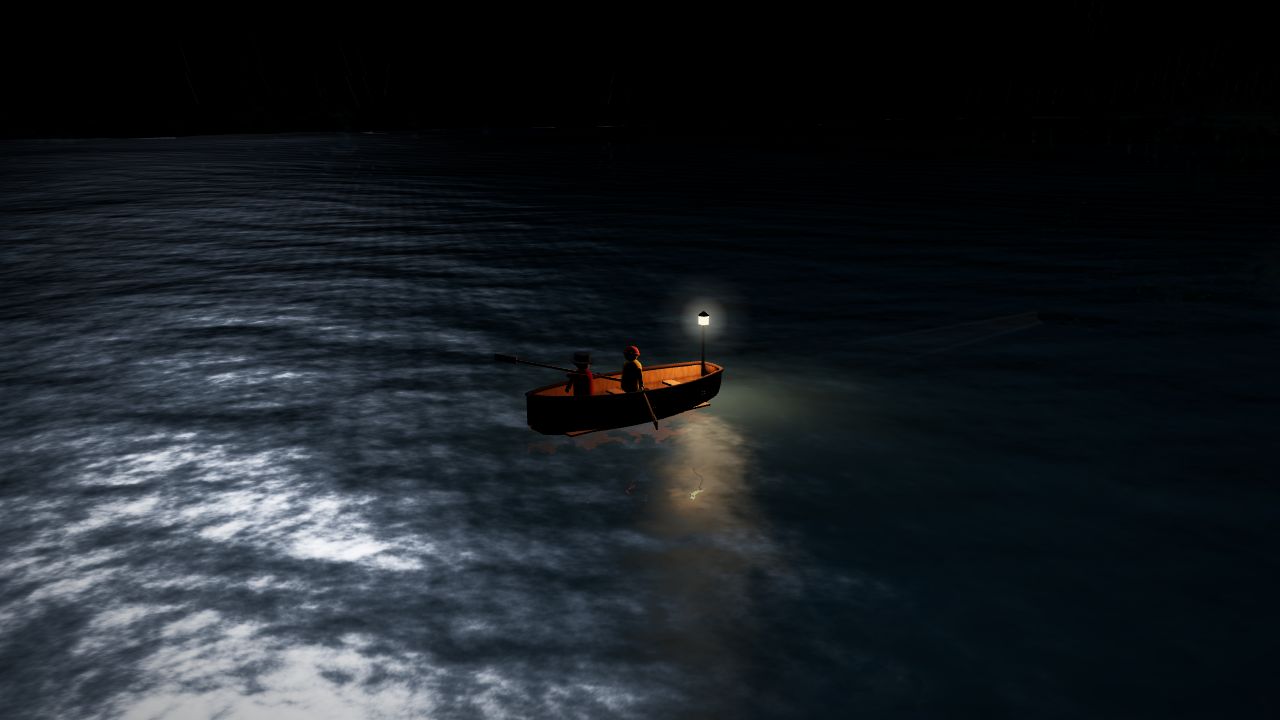
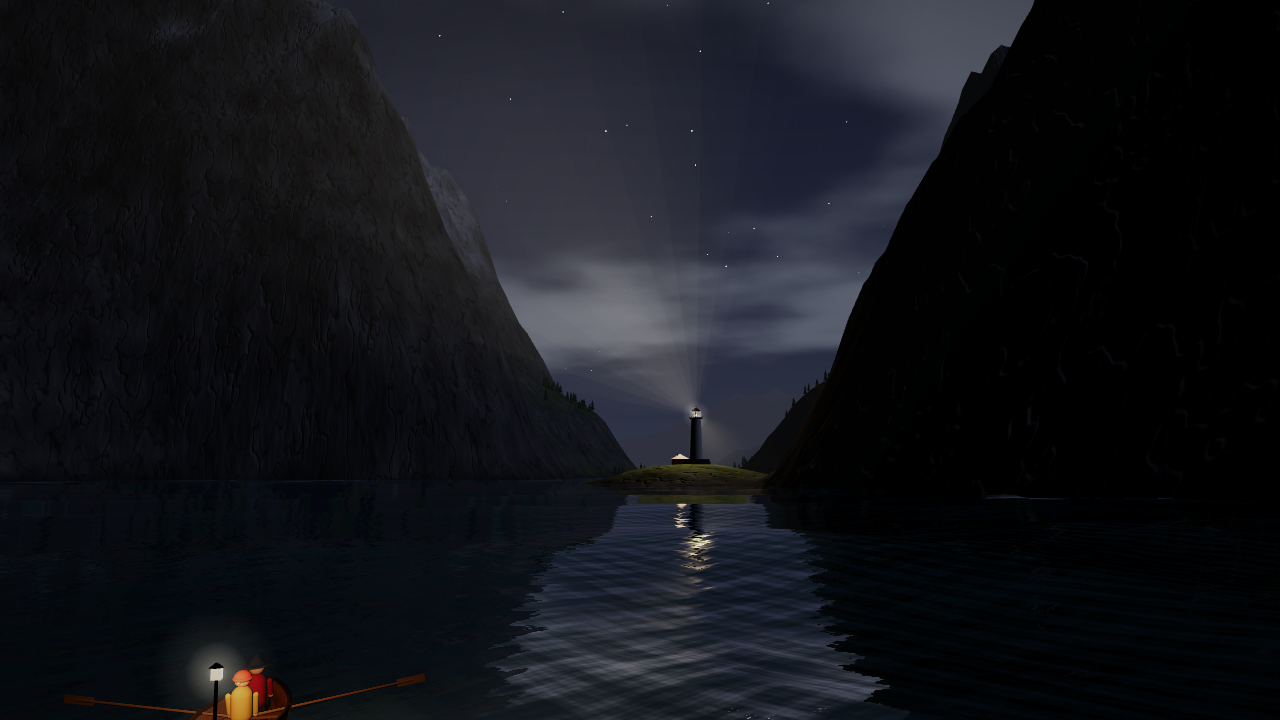
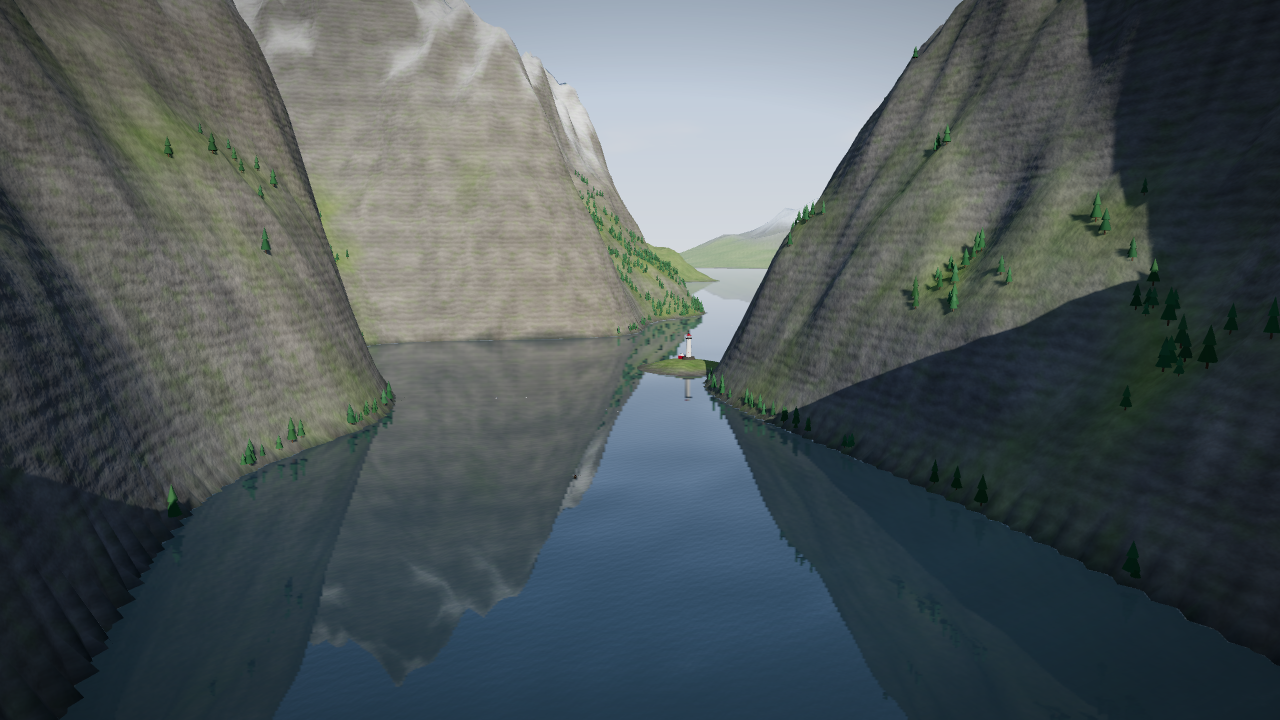
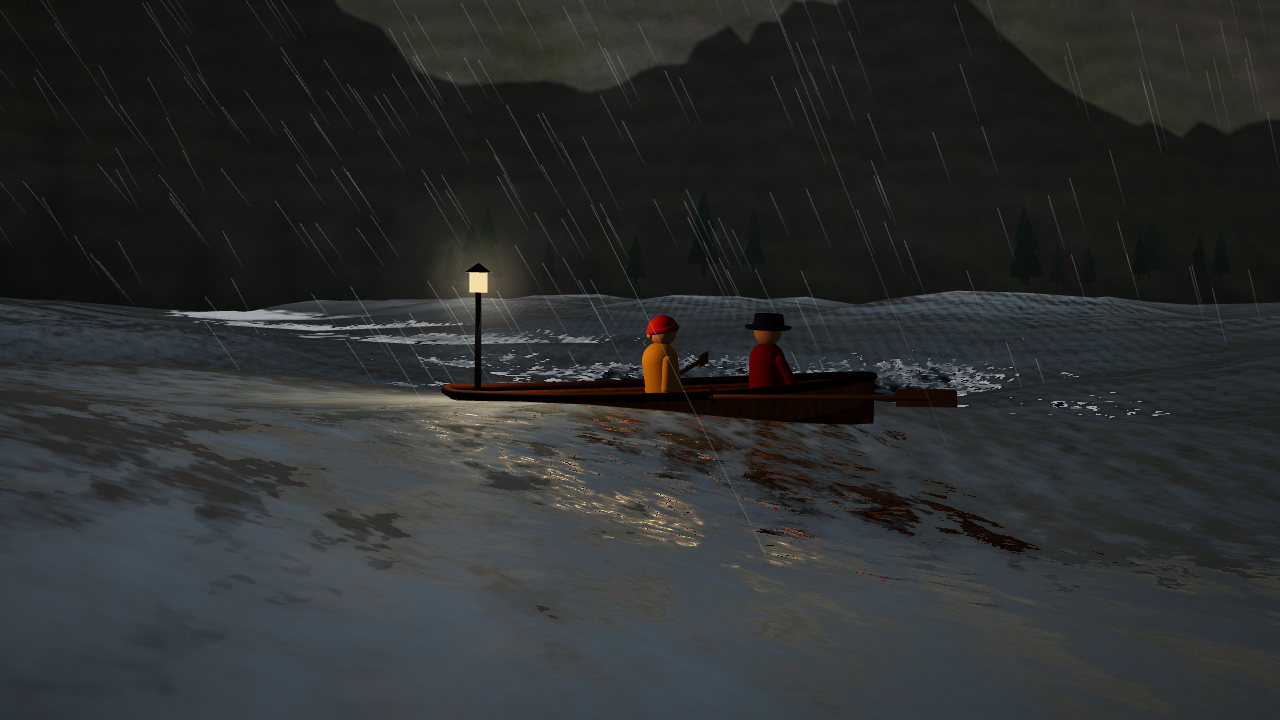
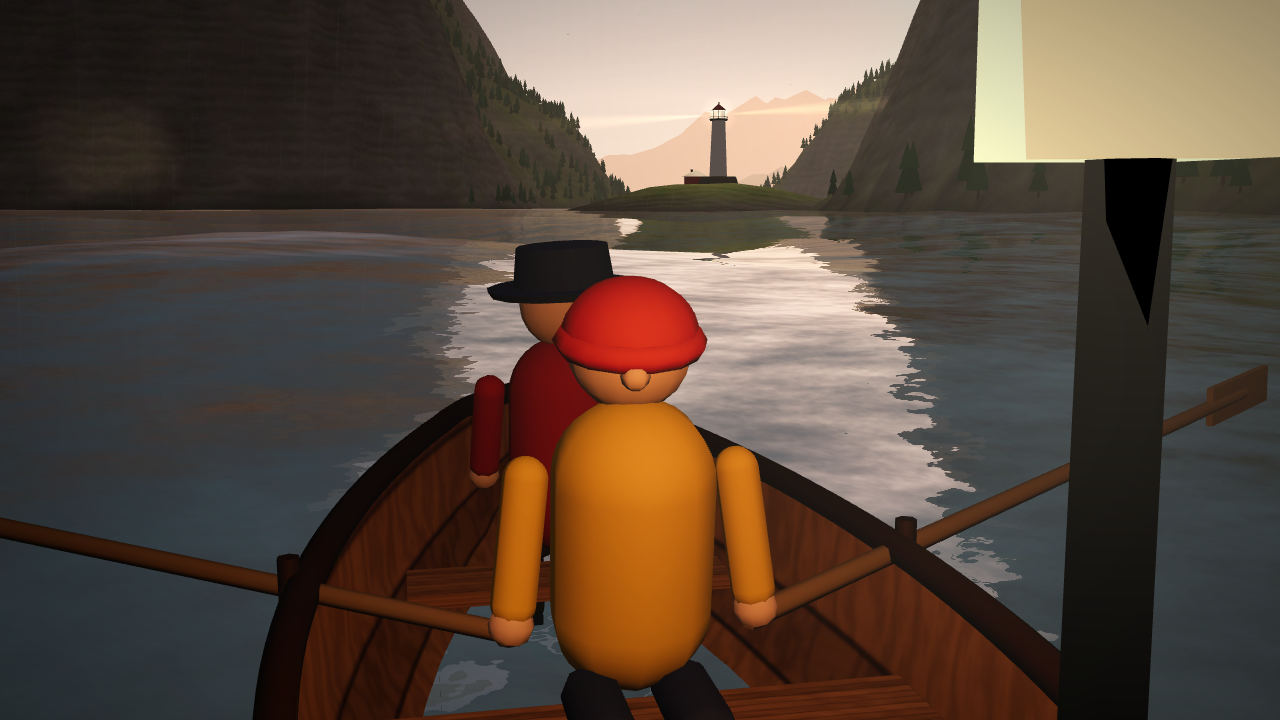
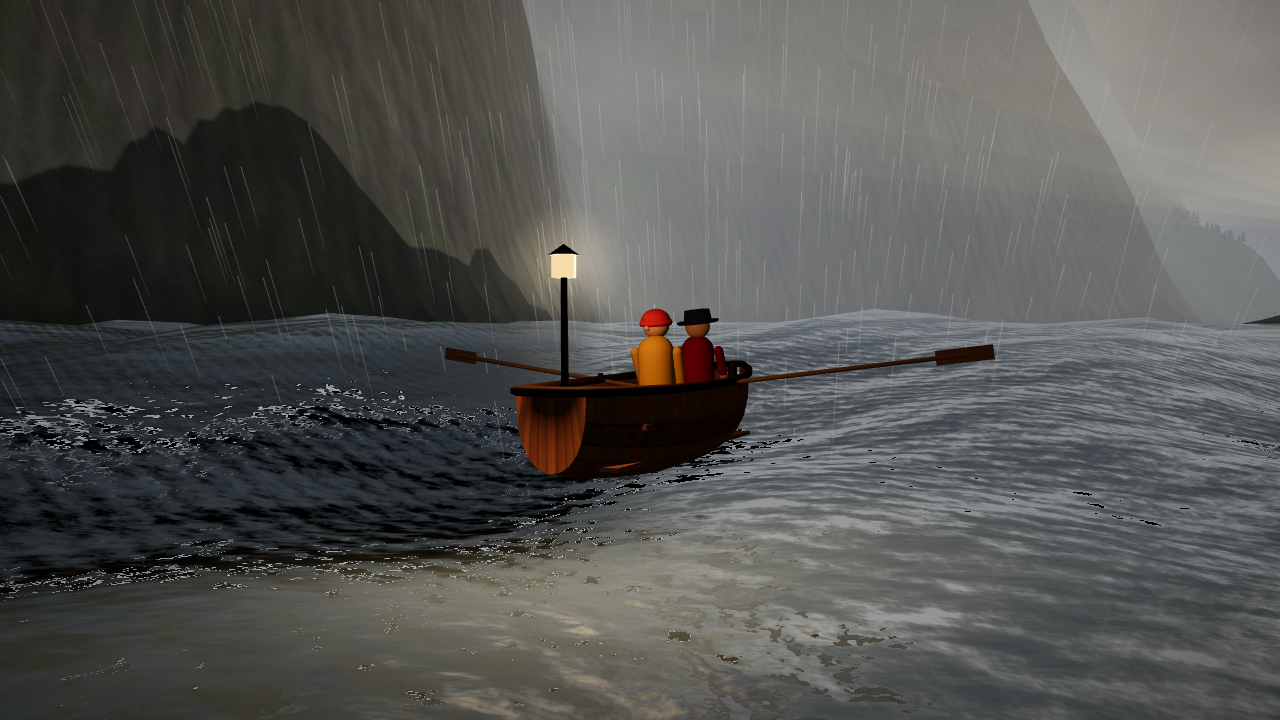
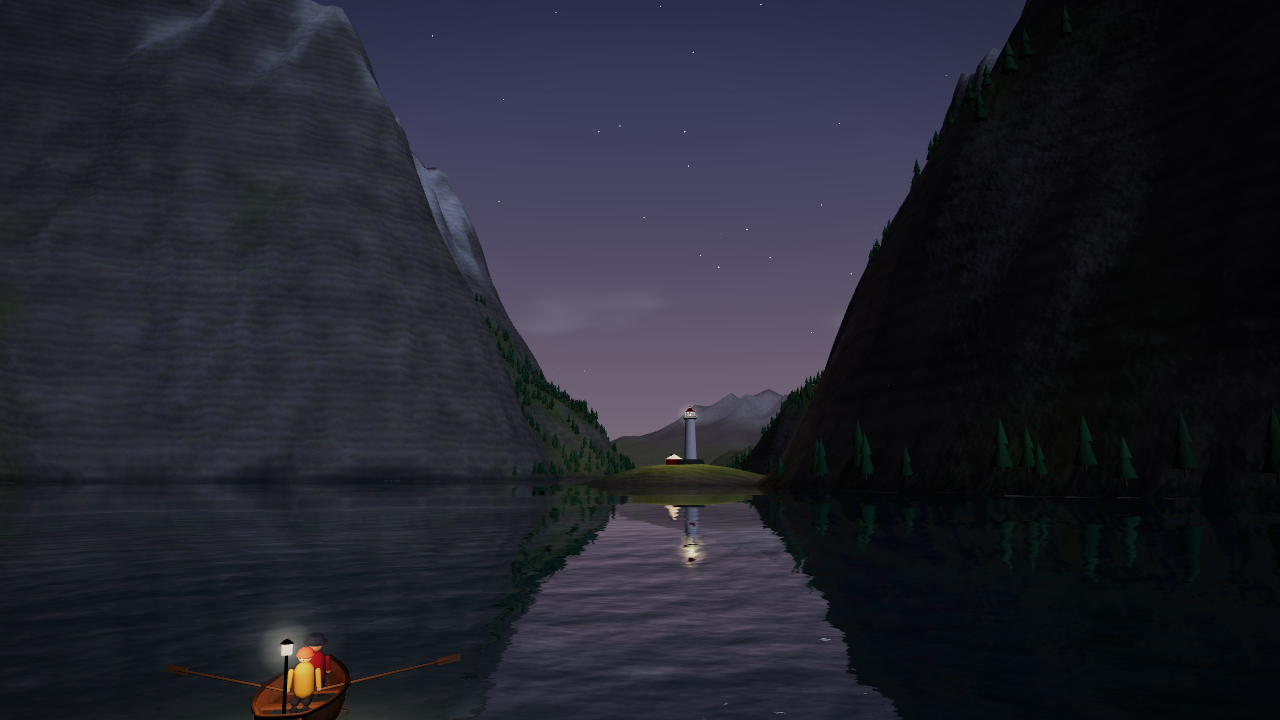
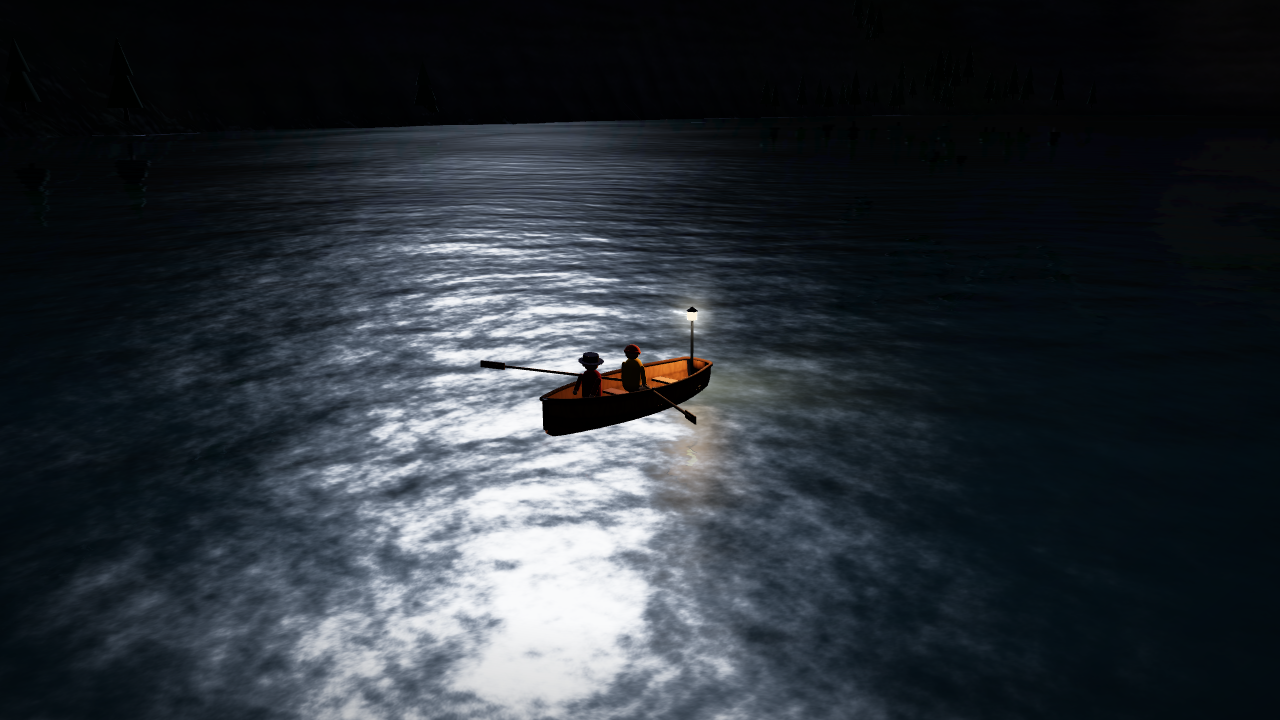
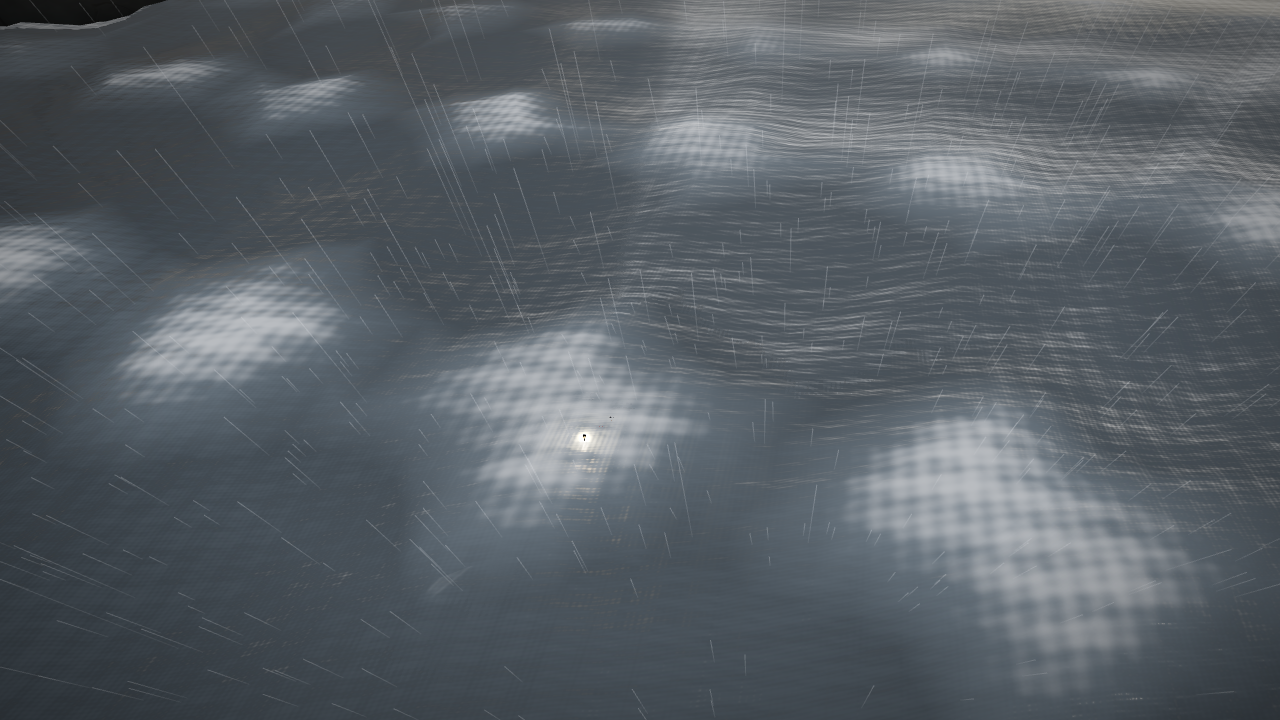
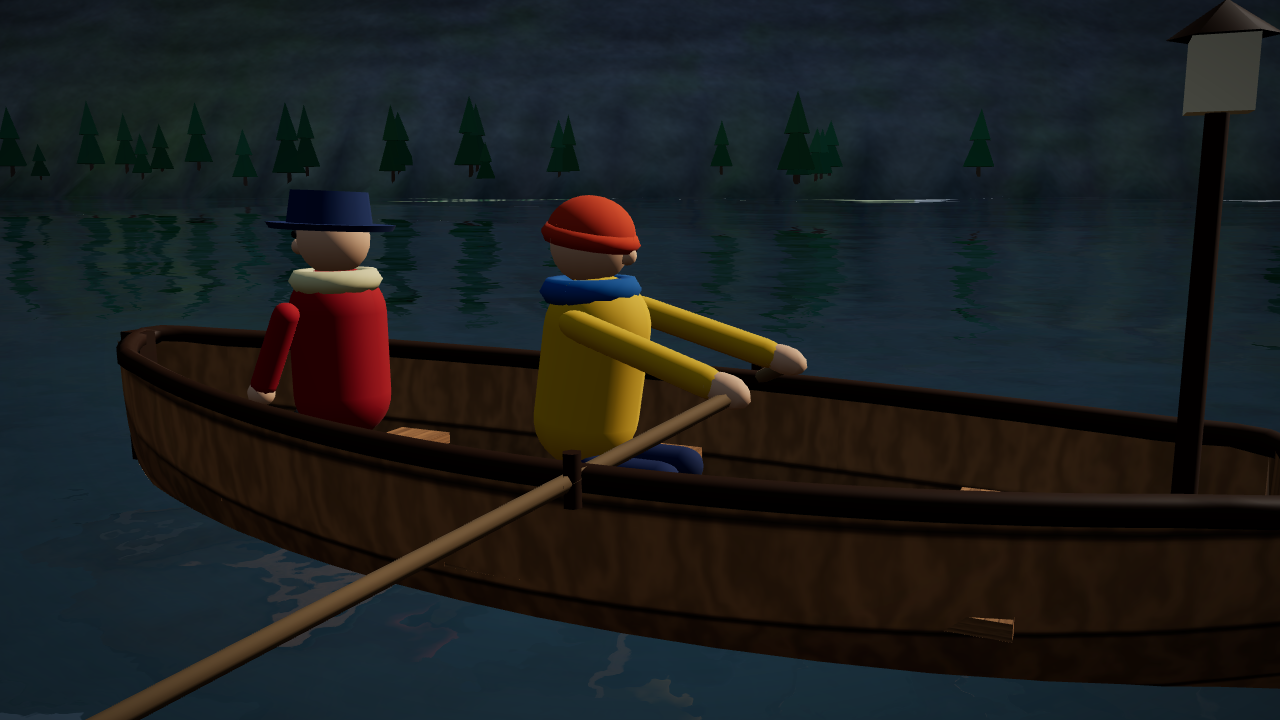
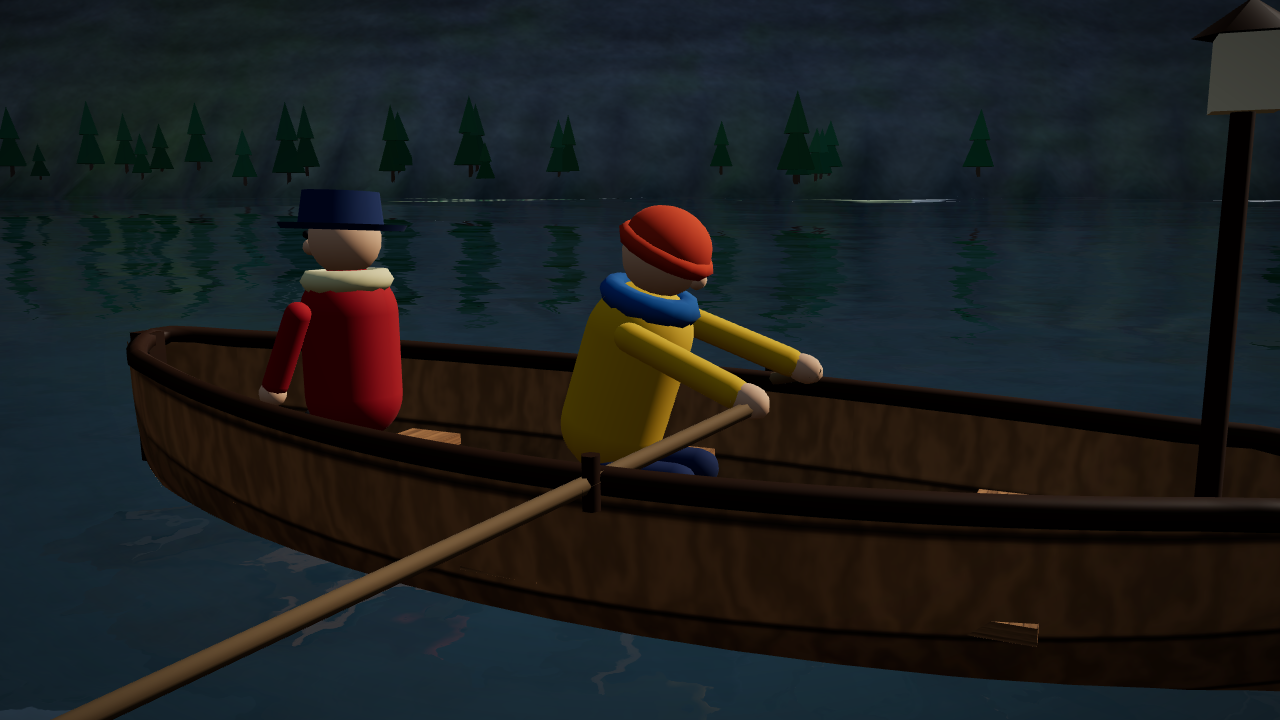
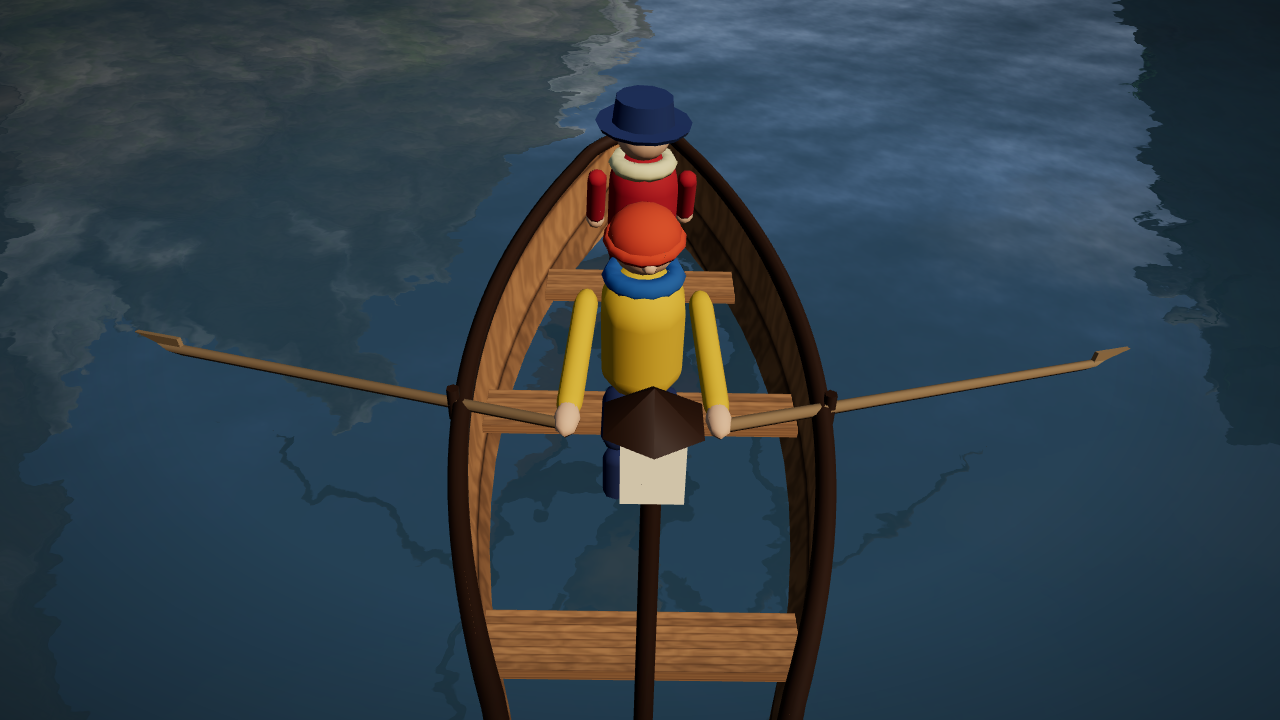
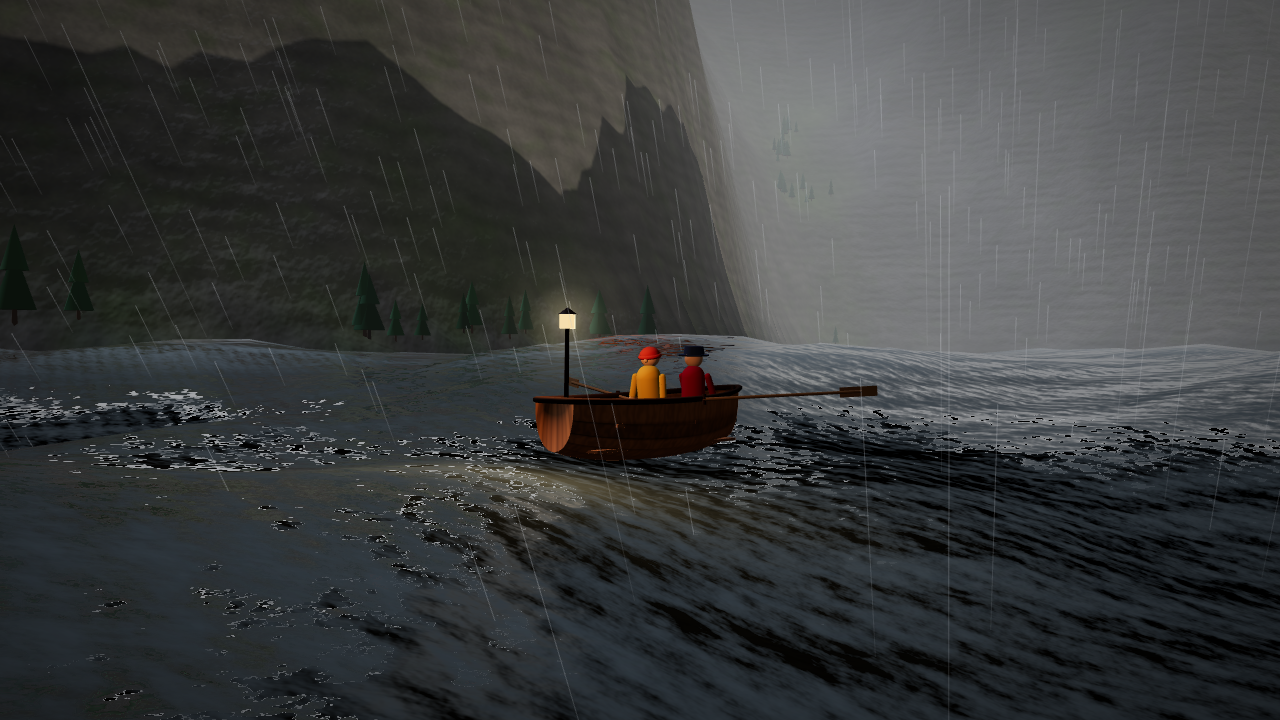
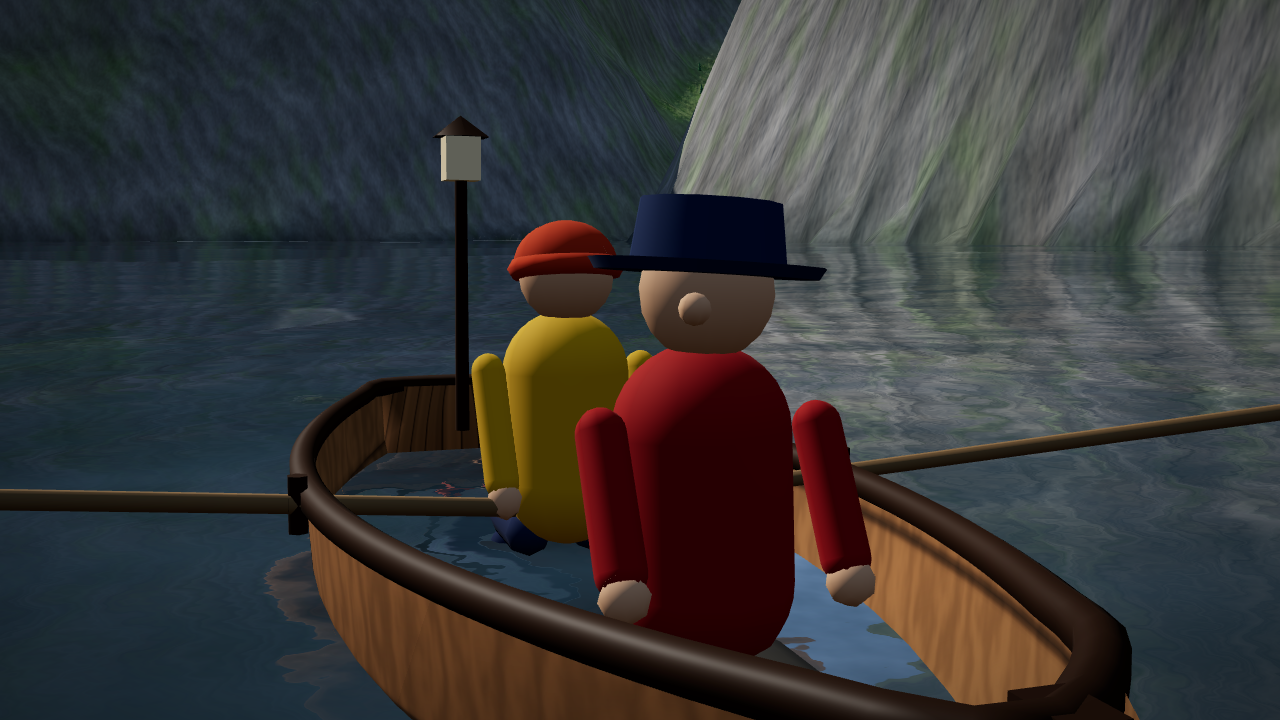
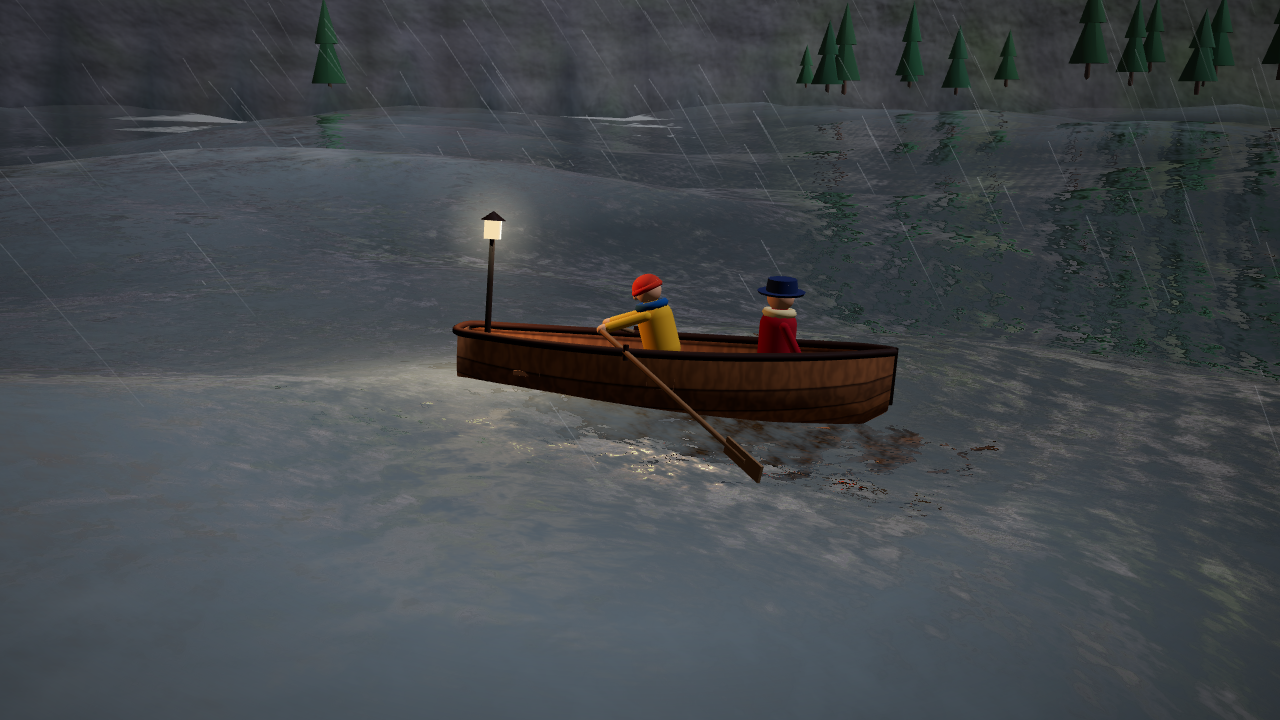
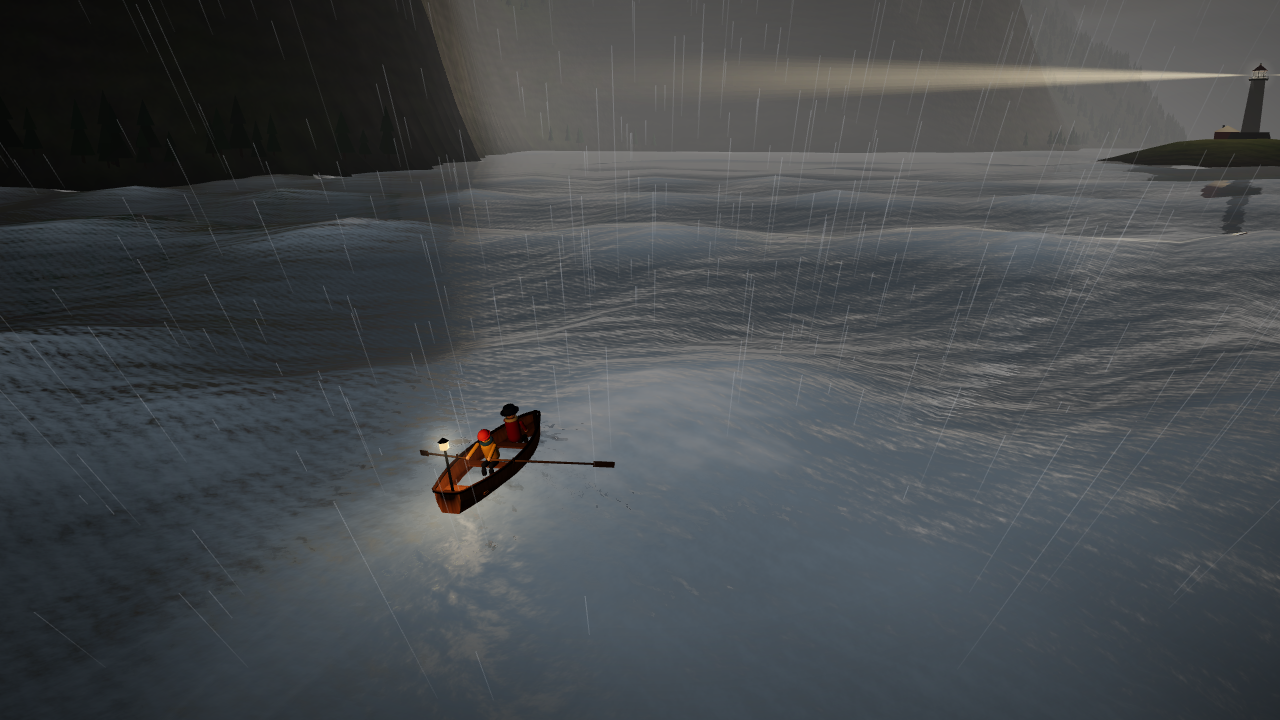
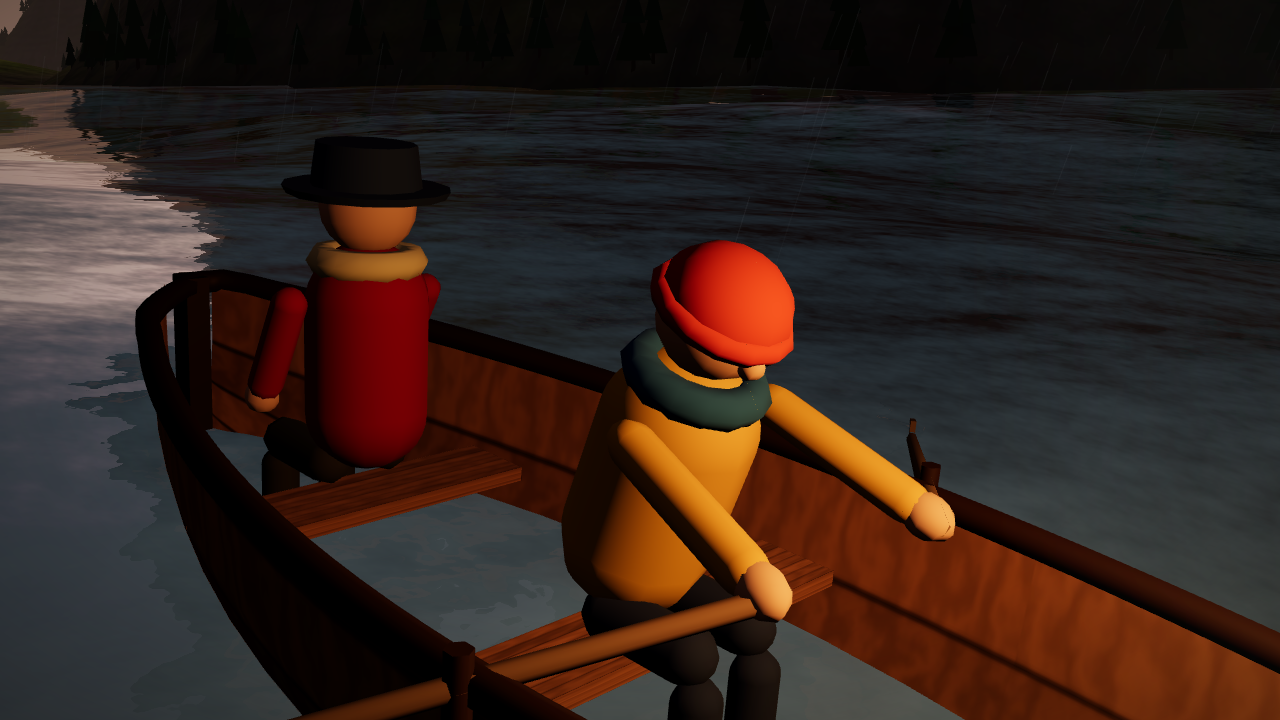
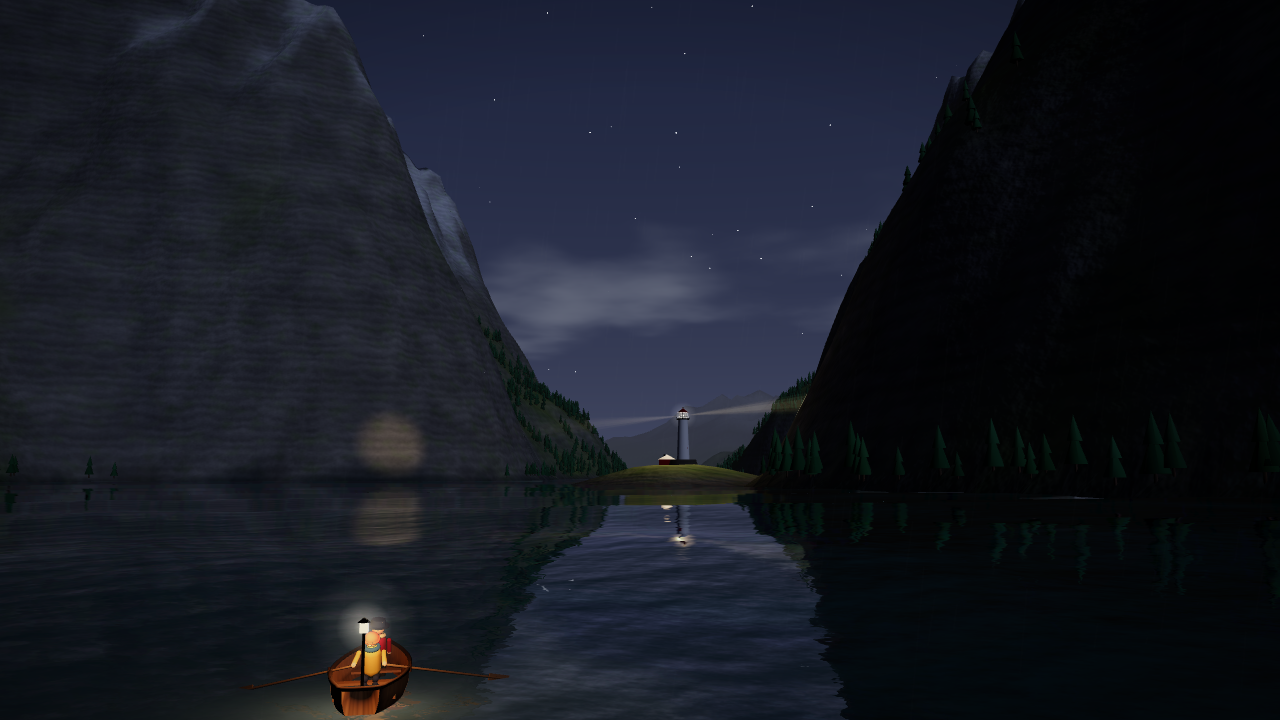
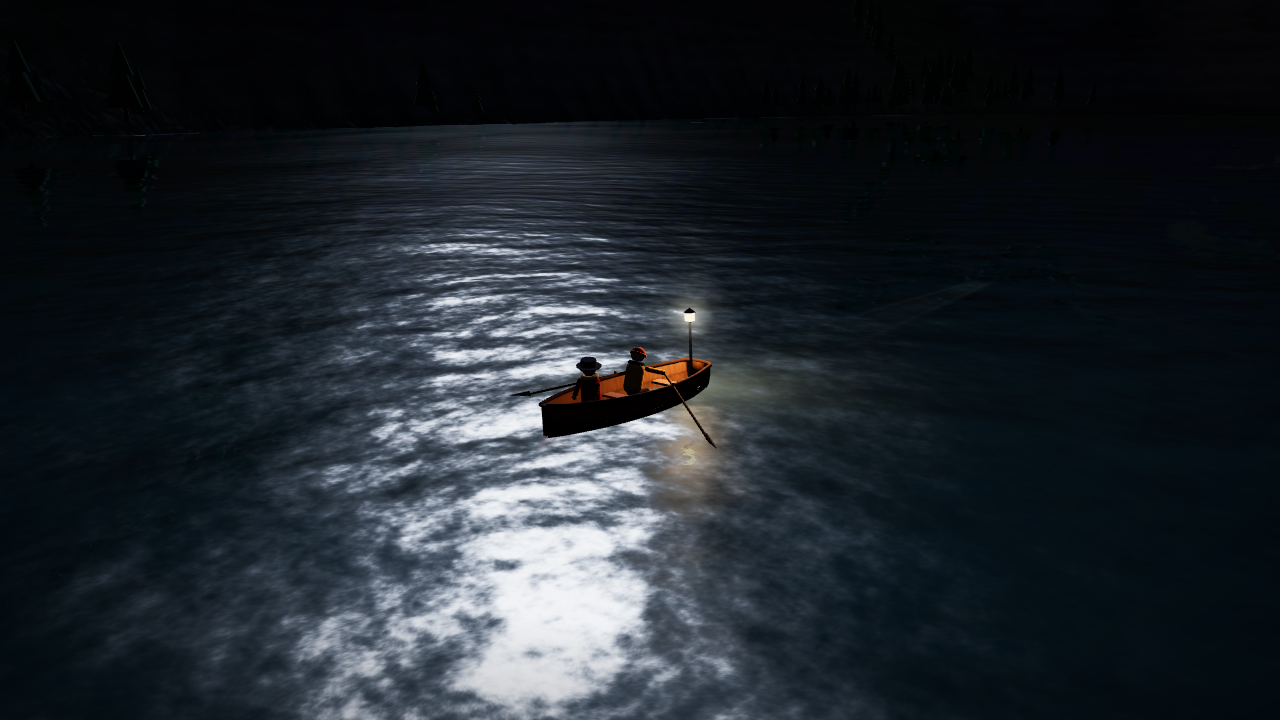
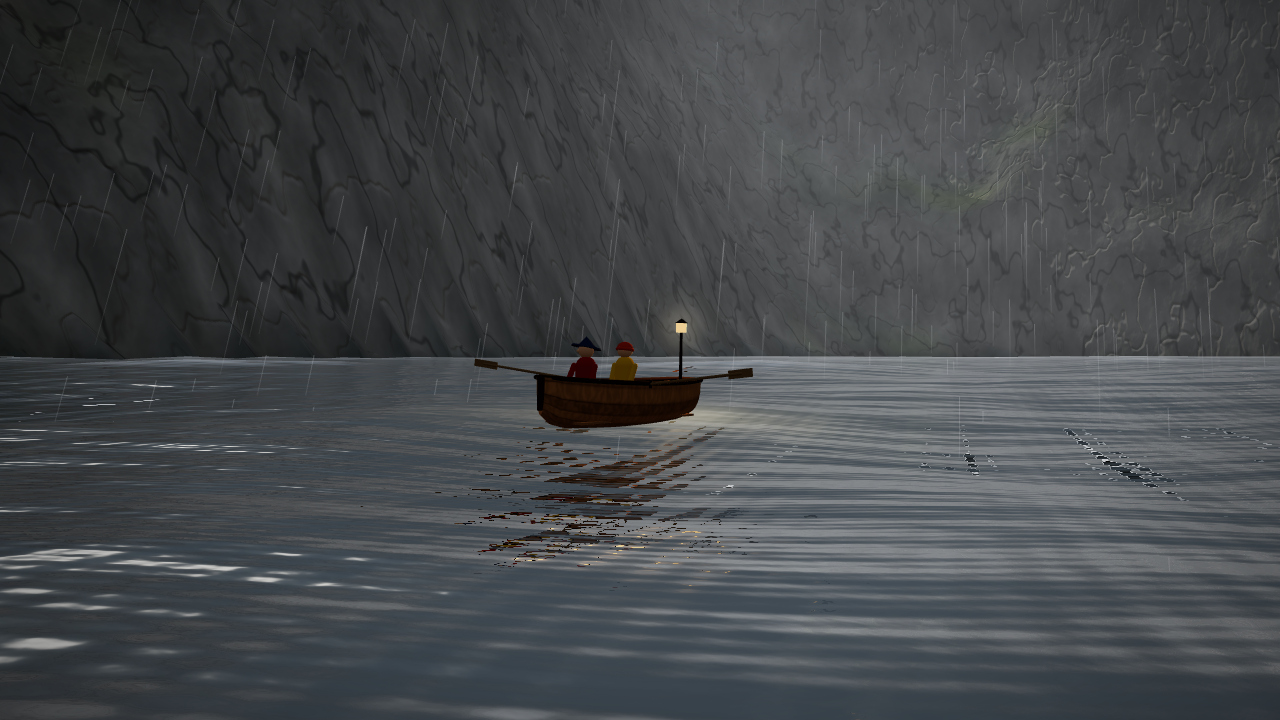
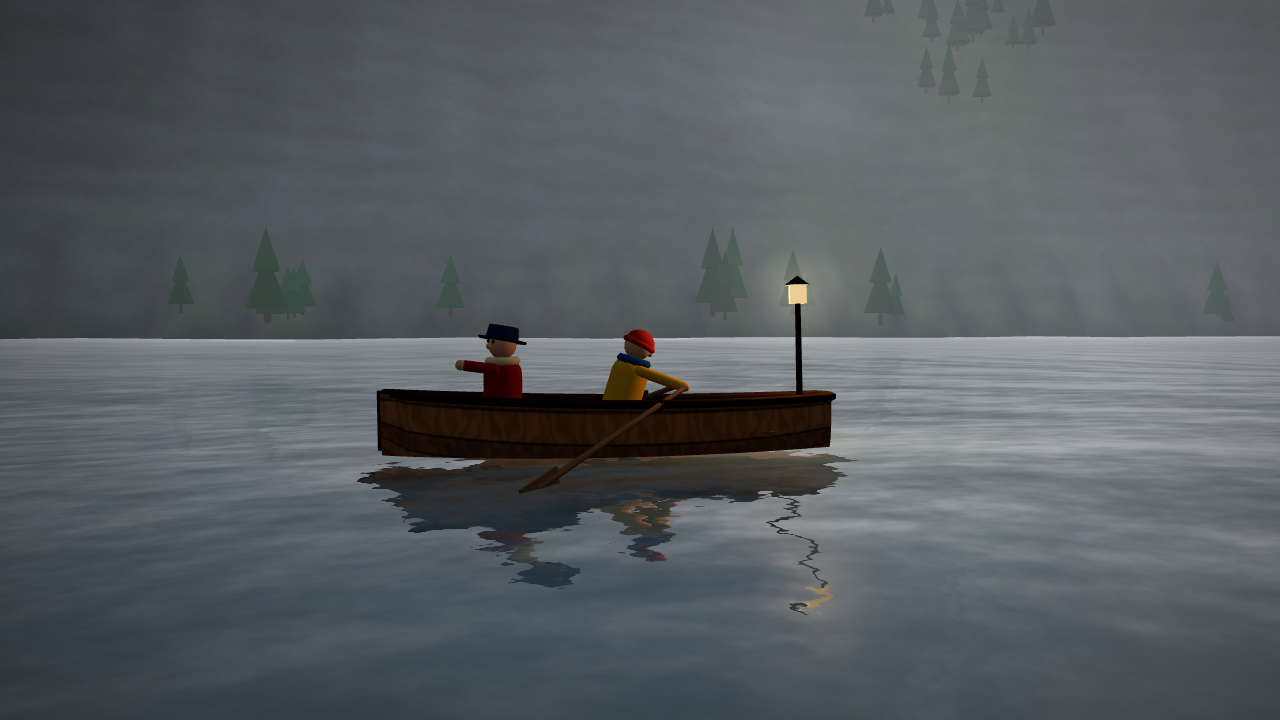
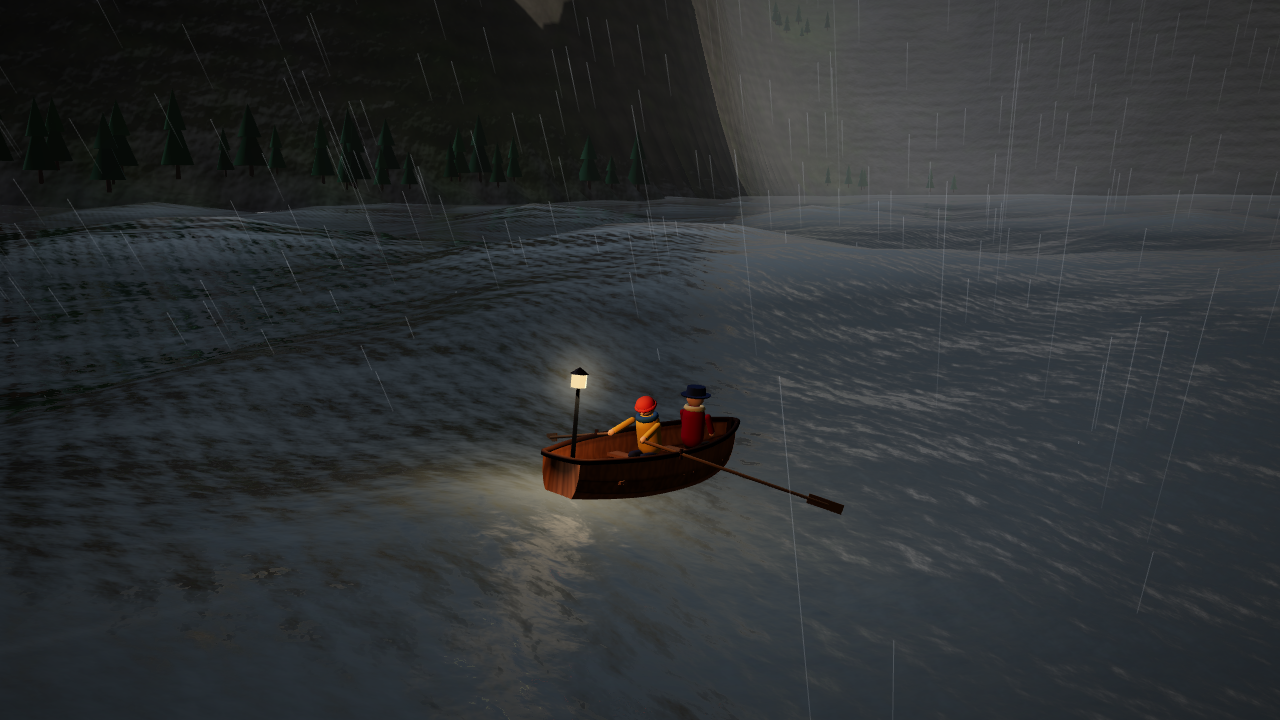
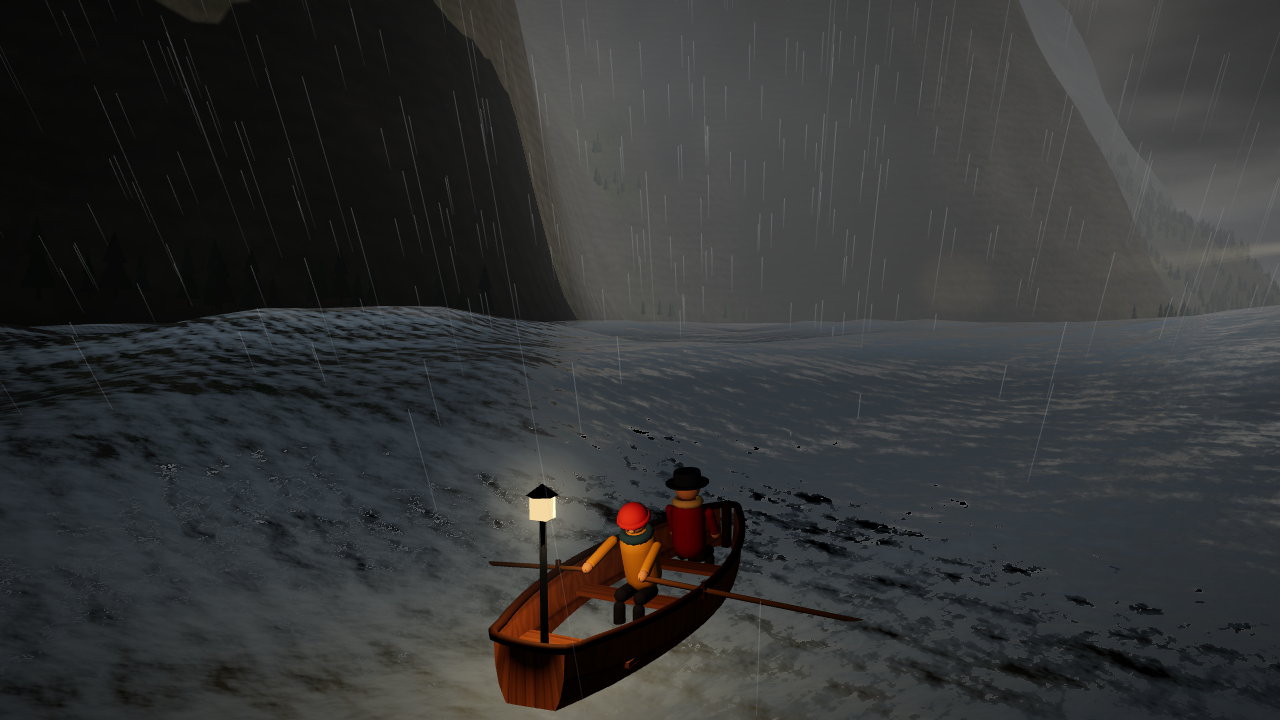
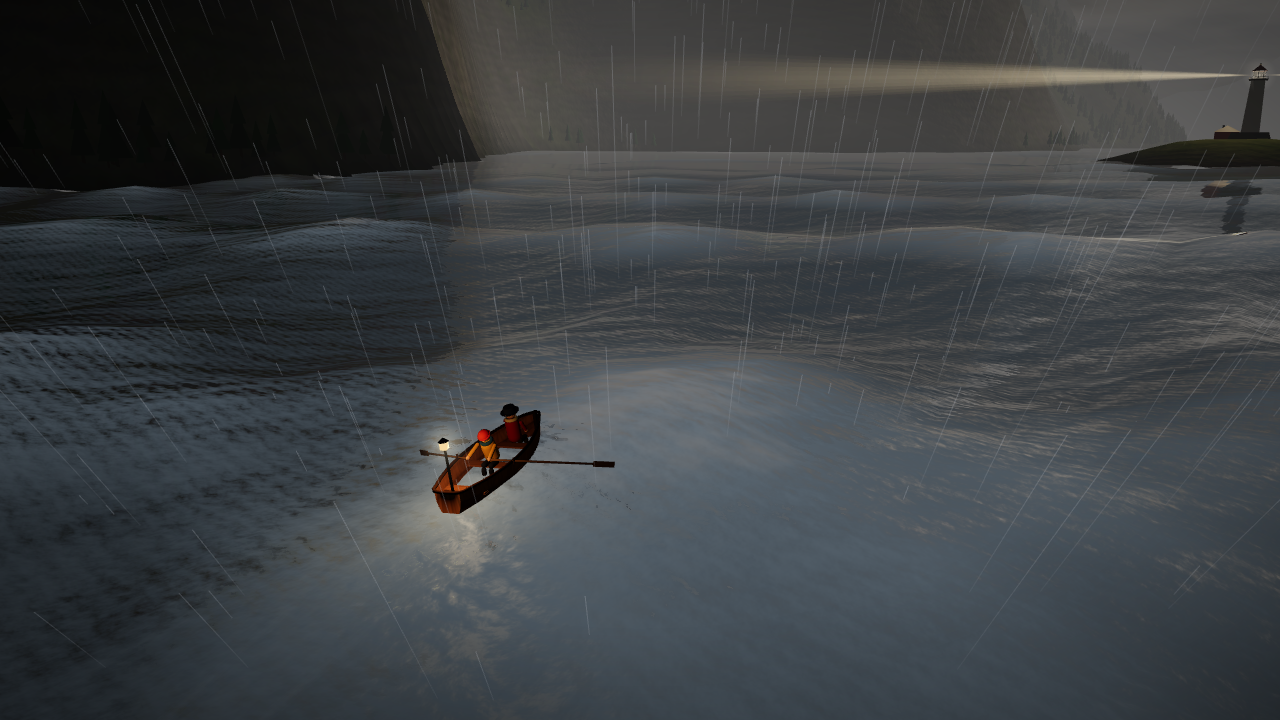
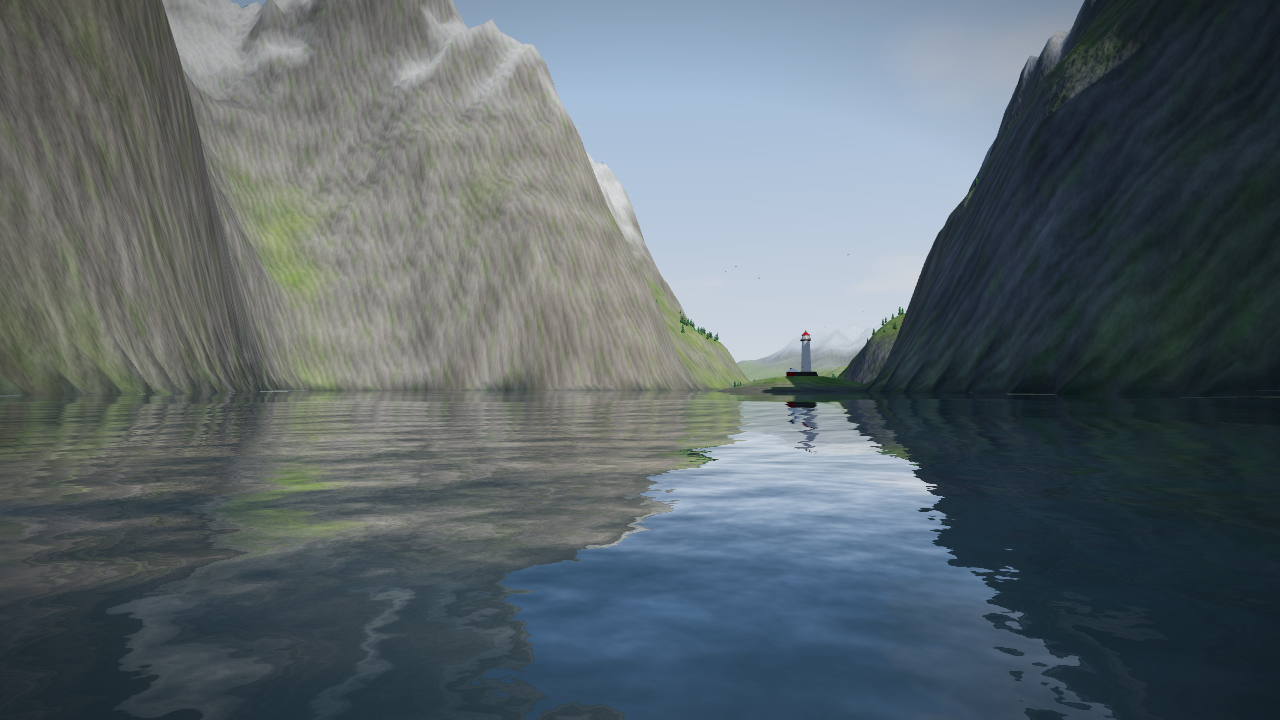
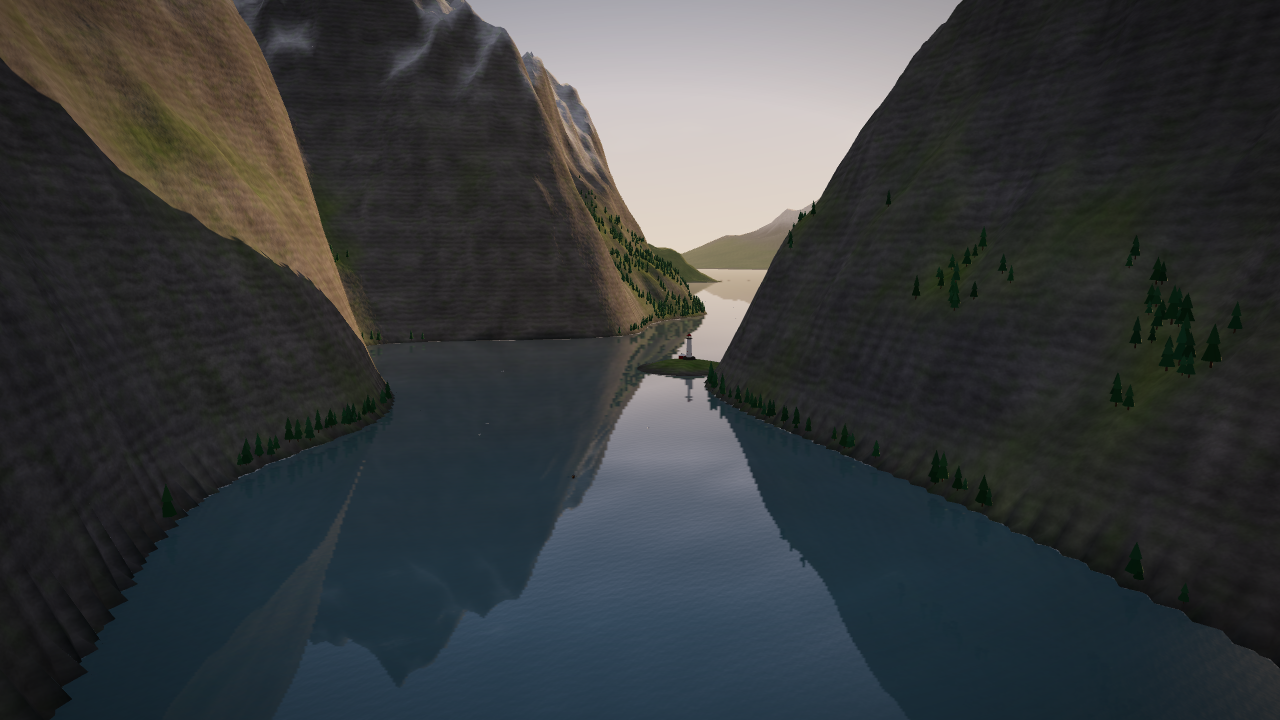
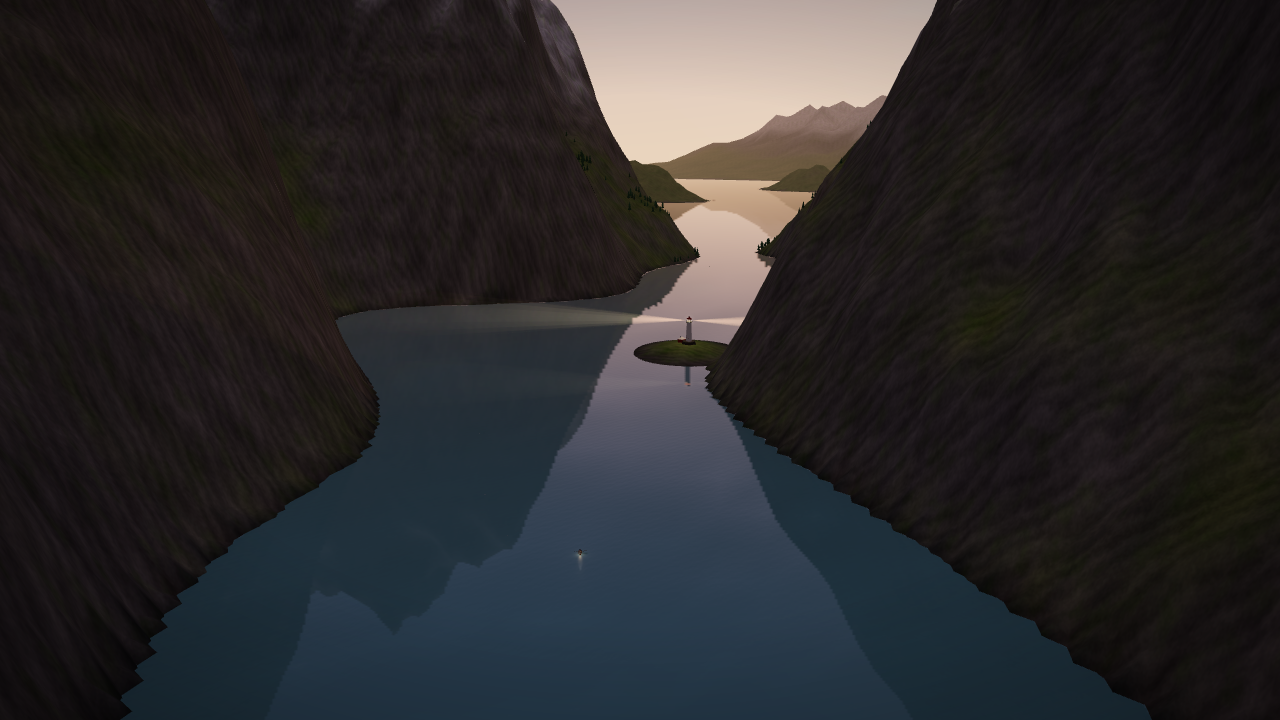
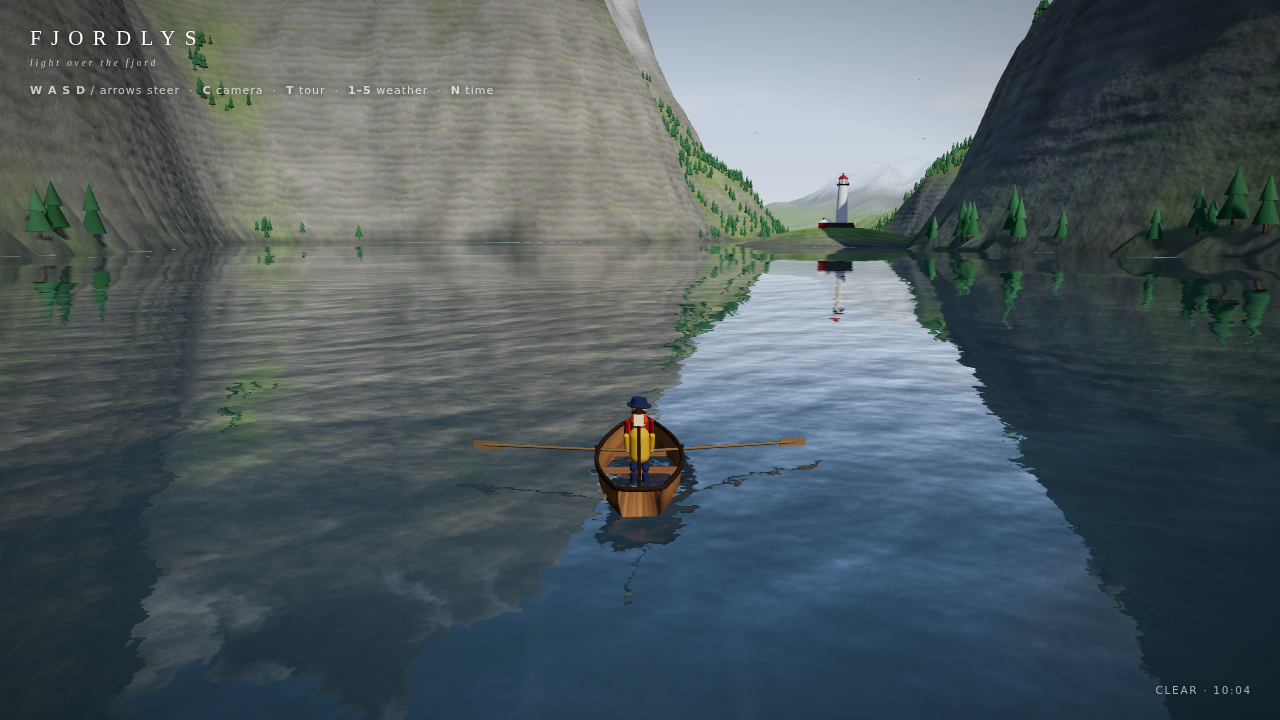
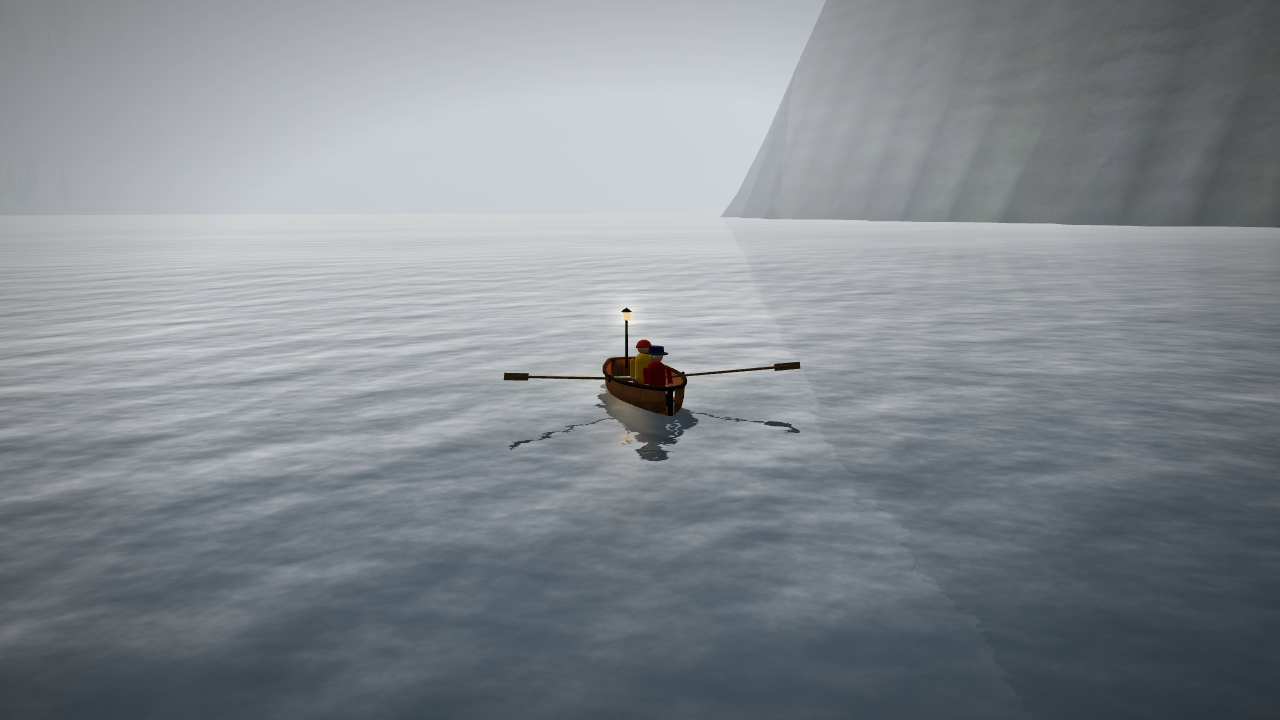
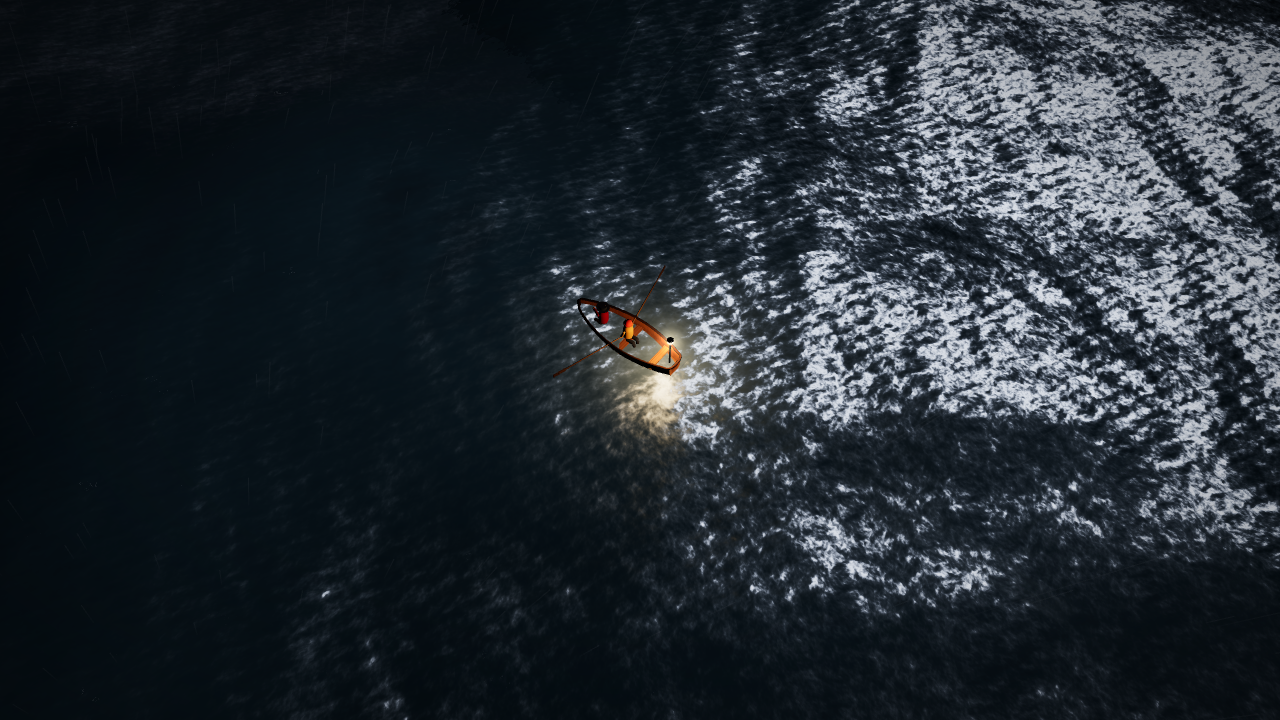
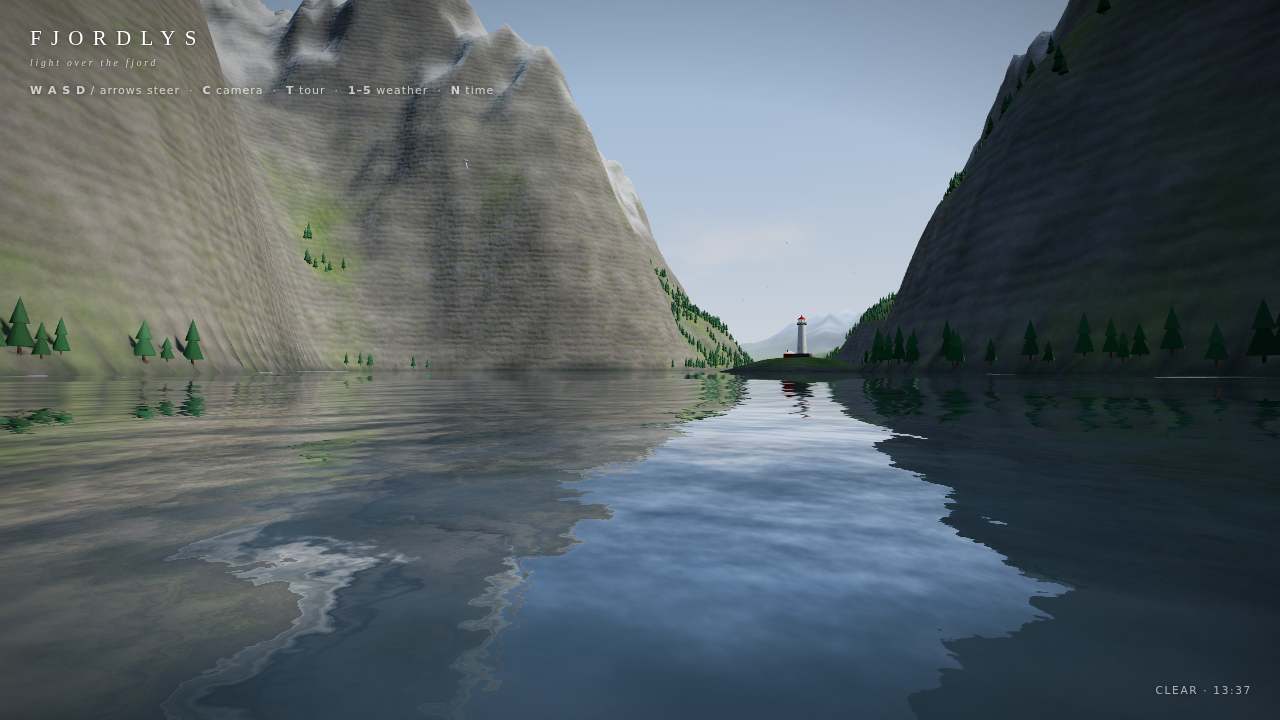
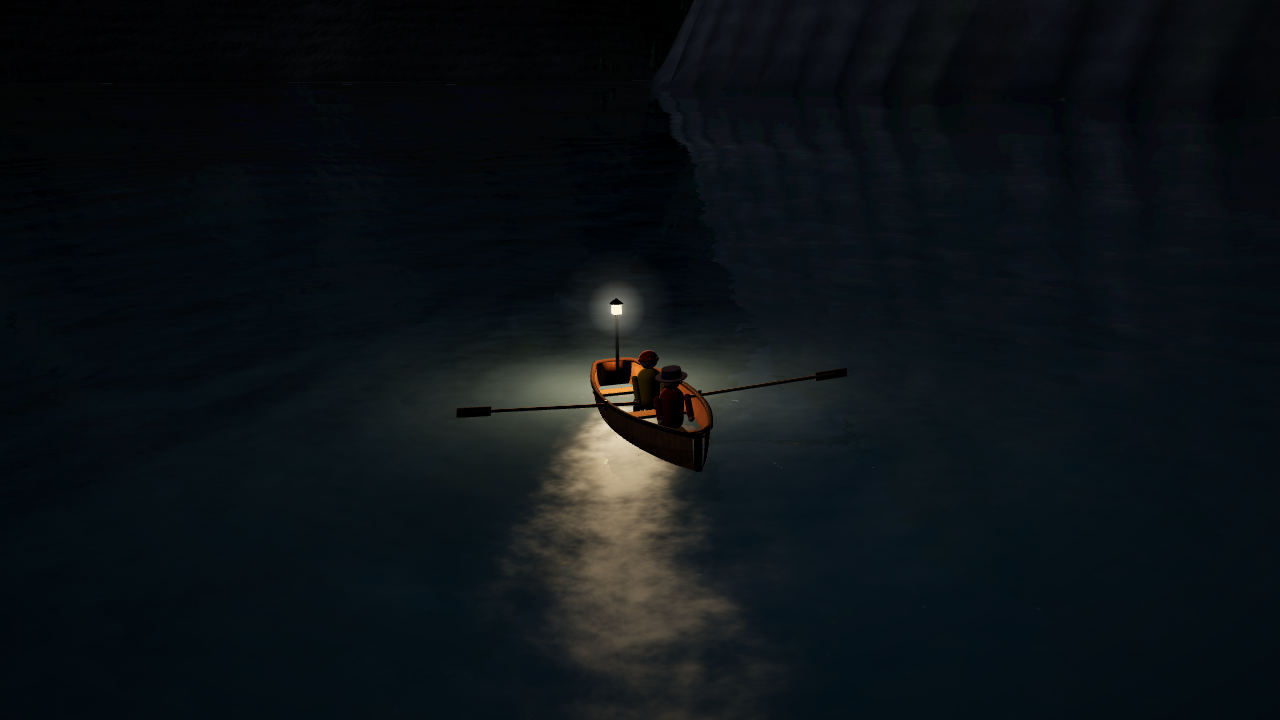
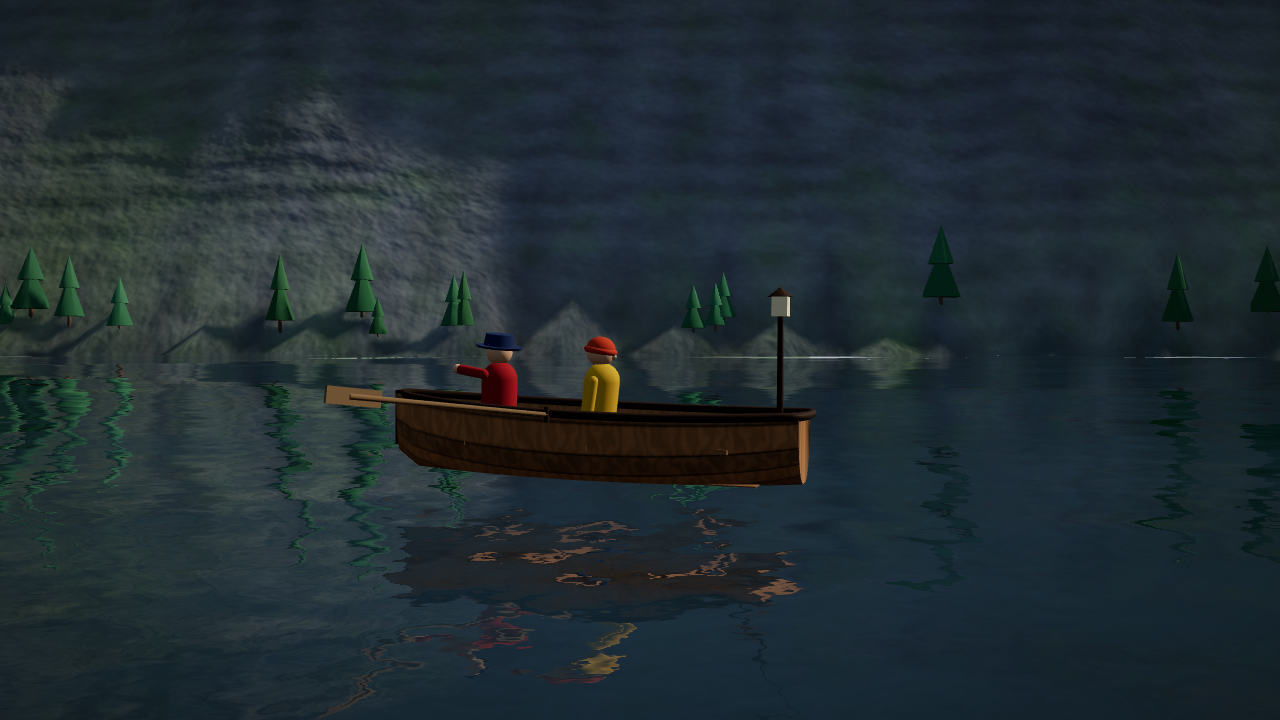
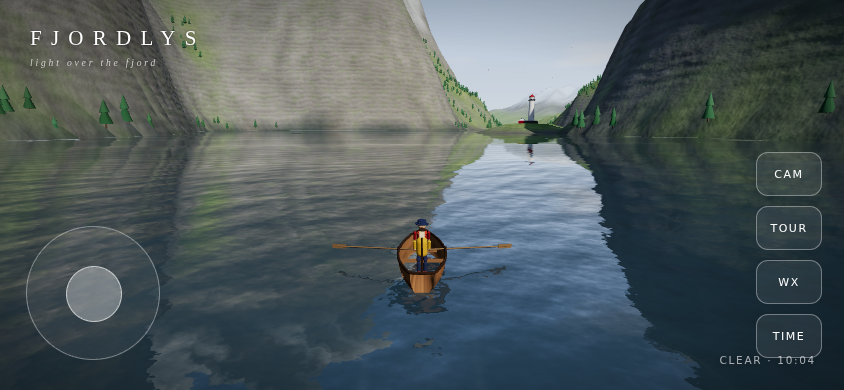

The exact prompt
agentic harness (self-review with screenshots until cinematic), 3,786 characters. Every result for this prompt
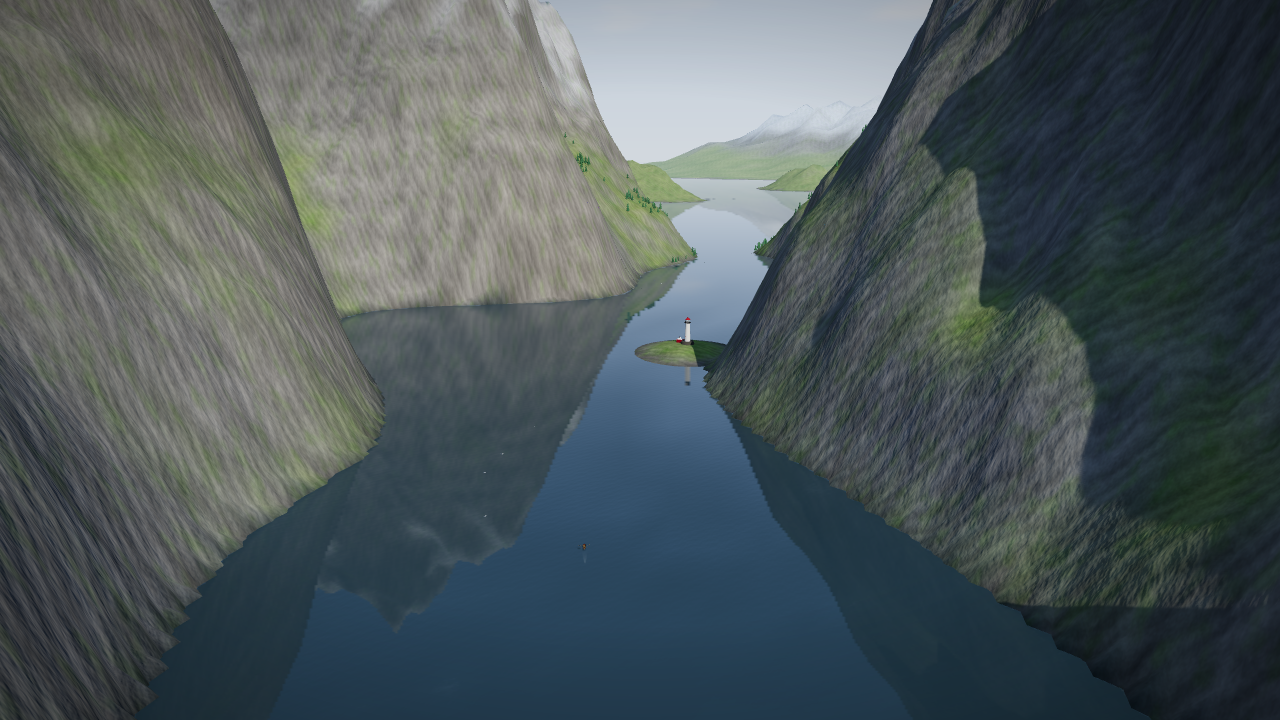
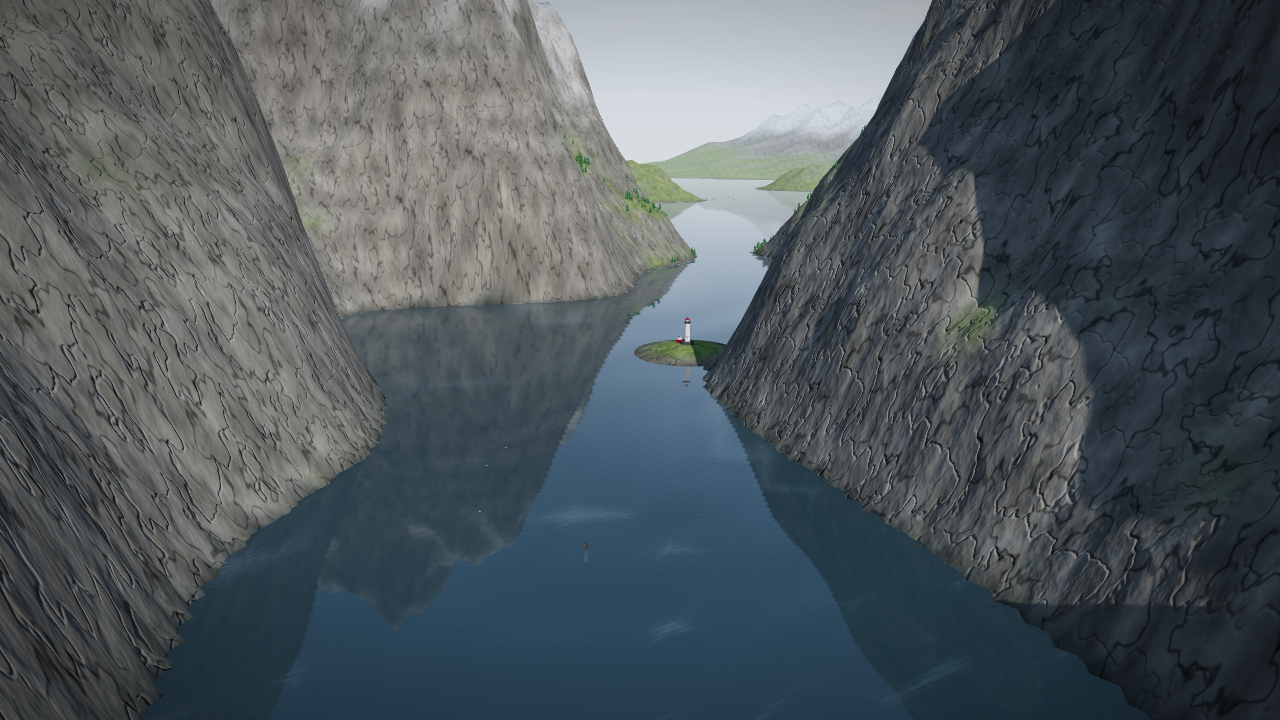
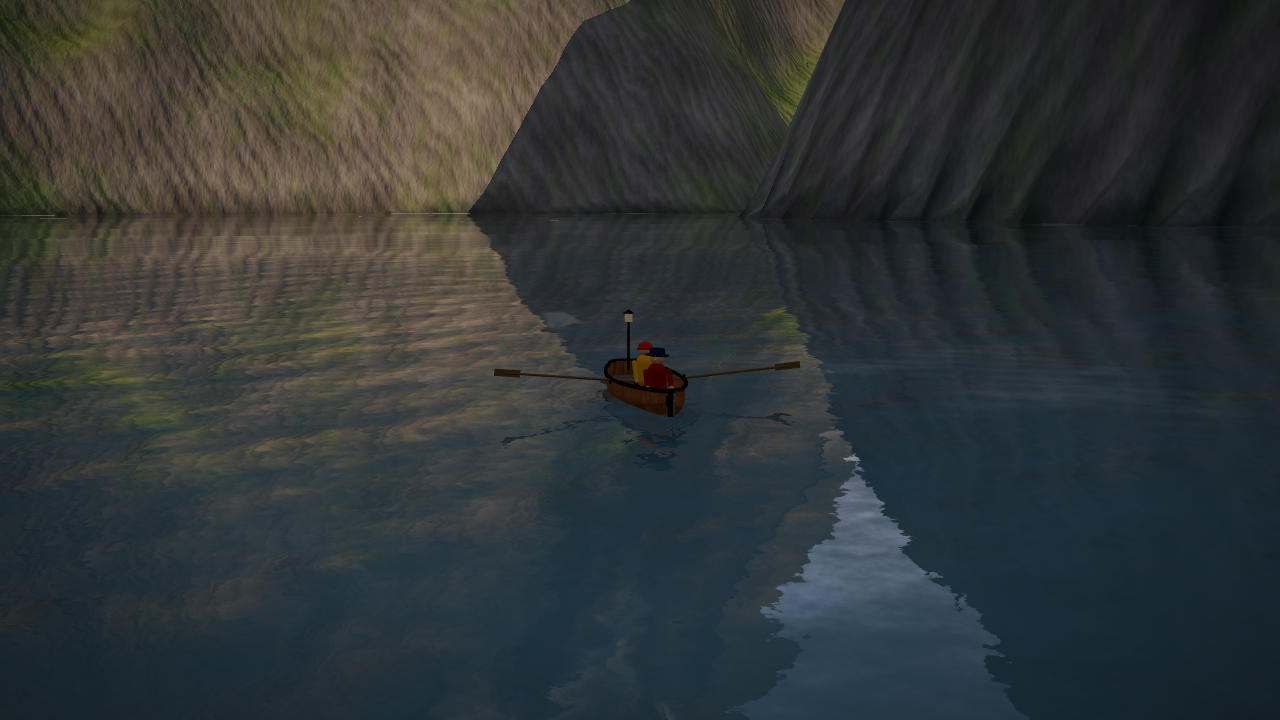
Build a playable, cinematic single-page Three.js experience: a small boat drifting through a Norwegian-style fjord / coastal mountain landscape.

Requirements:
- ONE self-contained index.html file (HTML + CSS + JS inline). No external assets of any kind (no textures, models, fonts, audio files) EXCEPT Three.js itself, loaded via an import map from this exact pinned CDN:
  "three": "https://cdn.jsdelivr.net/npm/three@0.160.0/build/three.module.js",
  "three/addons/": "https://cdn.jsdelivr.net/npm/three@0.160.0/examples/jsm/"
  All textures (water normals, rock, snow, bark, clouds, etc.) must be generated procedurally in code (canvas / DataTexture / shaders).
- Scene content: steep procedural fjord walls and mountains with snow caps, rock and grass coloring by height/slope; procedural conifer forests (instanced); a water surface with animated waves and sky/landscape reflections; a lighthouse on a rocky point with a rotating beam that matters at night; a small wooden boat with 2 simple stylized 3D characters on it (one rowing/steering, one looking around, with small idle animations); distant islands; birds or other small life if cheap.
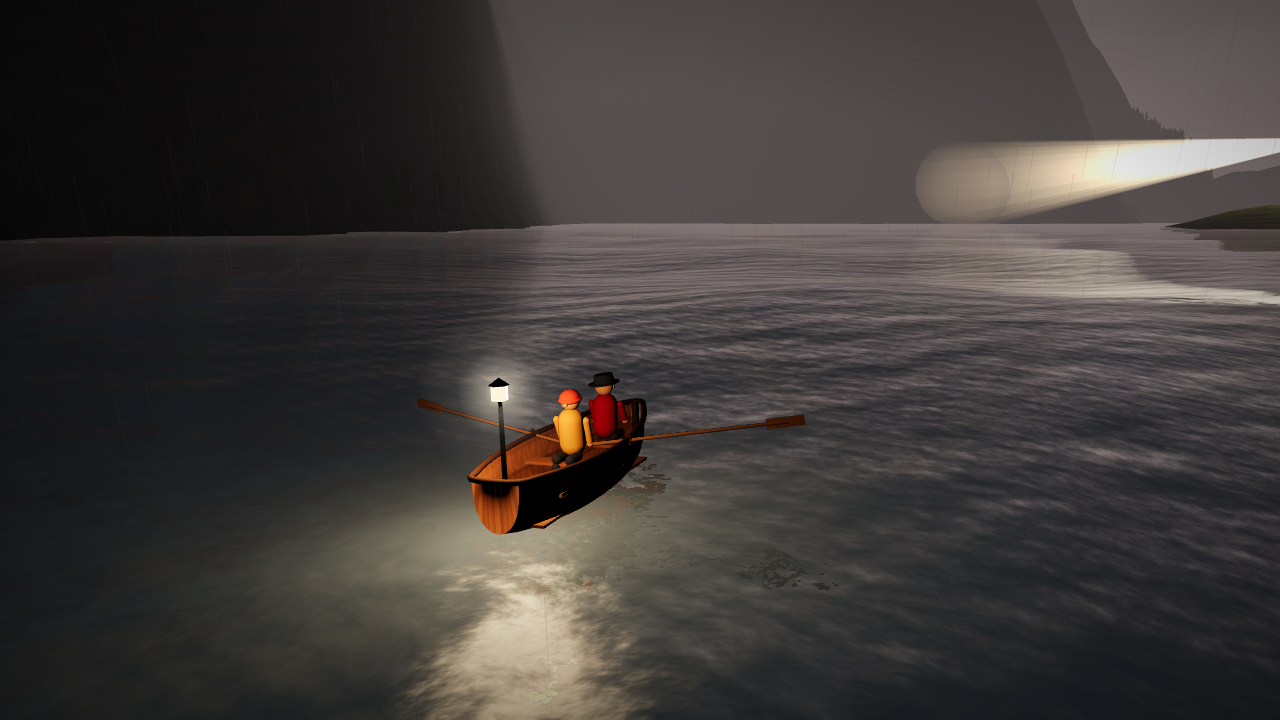
- Dynamic weather cycling clear -> fog -> rain -> storm -> clearing, with smooth transitions: fog density, cloud cover, rain particles, lightning flashes + wind and bigger waves in the storm.
- A full day/night cycle: sunrise, day, golden hour, sunset, night with stars and moon, lit lighthouse and boat lantern. Sky color, sun/moon lights, and fog color must track time of day.
- Controls: keyboard (WASD/arrows to steer and throttle the boat, C to switch camera, T toggles auto-tour, 1-5 to force weather, N to jump time) and touch (on-screen joystick/buttons on phones). Camera follows the boat in play mode.
- An "auto-tour" cinematic camera mode: slow, smooth, film-like camera moves (orbits, low water-level glides, high establishing shots, close-ups of the characters) while the boat drifts along a path through the fjord and the weather and time of day progress.
- Minimal, elegant UI: small title "Fjordlys" (or a better name of your choice), a tiny hint line for controls, fading out in tour mode.
- Must run smoothly on desktop and phone browsers: keep geometry/particle counts moderate, cap devicePixelRatio at 2, handle resize/orientation.
- IMPORTANT for automated video capture, support these URL parameters:
  ?tour=1        start directly in auto-tour mode
  ?capture=1     hide ALL UI overlays (title, hints, touch controls)
  ?cycle=40      when present, compress one complete showcase into that many seconds: the time of day goes from morning through golden hour, sunset and night, and the weather passes clear -> fog -> rain -> storm -> clearing within that span (so a 40-second recording shows everything). Without it, use a relaxed pace suited to live play.
  Drive all animation from the requestAnimationFrame timestamp / performance.now() (not from wall-clock-independent accumulators that ignore time), so that overriding those functions steps the scene deterministically. Set window.__sceneReady = true once the first frame has rendered.
- No console errors or warnings in a current Chrome. Use modern Three.js r160 APIs only (no deprecated/removed ones).

Output ONLY the complete index.html, starting with <!DOCTYPE html> and ending with </html>, with no explanation and no markdown fences. Build it as index.html (plus any local asset files you create) in the current directory. Three.js may load from a pinned CDN. You may serve it locally and open it in headless chromium (/usr/bin/chromium, software WebGL, no GPU) to screenshot and inspect your own output, and iterate on your own until it looks genuinely cinematic before finishing. Close any browser you open as soon as you've taken your screenshot.
How it was made
Step by step
The prompt, every agent turn and tool call (tool name and a one-line summary; inputs and outputs are not shown), then the final message. The full transcript is 17.0 MB; it is published as a scrubbed, compressed download rather than shown on the page.
Show all 86 steps
Loading the timeline…
Download the full transcript Claude Code stream JSON, 80 KB, gzip. Scrubbed: anything that looks like a key, token, e-mail address or phone number is replaced, and account details and the test machine's file paths are removed.
Cost breakdown
Headline cost $7.03, as reported by Claude Code (its own bill for the run). The list-price estimate from the token counts is $7.03.
| Tokens by type | Tokens | $ per 1M | Cost |
|---|---|---|---|
| Input (uncached) | 838 | $10.00 | $0.0084 |
| Cache write | 211,740 | $12.50 | $2.6467 |
| Cache read | 3,853,706 | $0.25 | $0.9634 |
| Output | 68,314 | $50.00 | $3.4157 |
- Total computed from tokens
- $7.0343
- Total reported by the harness
- $7.0343
- Difference
- matches
No cost.json: computed by ingest from the token counts in meta.json x list price.
Prices: Project price table (vendor list prices), 2026-09-22.