Ink brush dragon
[Task] Create a 20-second motion piece at 1920x1080, 30 fps, in Chinese ink-wash style, where a dragon is painted stroke by stroke as it coils through clouds…
More
1 test · 2 finished runs (2 agent, 0 raw one-shot) · 2 videos
The prompt
[Task] Create a 20-second motion piece at 1920x1080, 30 fps, in Chinese ink-wash style, where a dragon is painted stroke by stroke as it coils through clouds and ends on a calligraphy title and red seal. [Scenes] 1. 0-3 s: Blank warm rice paper with visible fibres. A single ink drop falls from the top of the frame, strikes the paper and blooms outward with feathered edges, and the bloom dissolves into the first misty wash. 2. 3-7 s: Clouds are brushed in from left to right as layered spiral strokes in pale grey wash. Distant mountain silhouettes bleed in at the lowest opacity, and the camera drifts slowly upward. 3. 7-12 s: The dragon's body is painted as one long serpentine brush stroke that coils through and behind the clouds, with dry-brush scales flicking along its back. The camera tracks the brush tip along the curve. 4. 12-16 s: The head forms with whiskers, horns and mane in quick tapered flicks. In a pause, a final dot paints the eye. The dragon then surges diagonally upward, and clouds part in its wake. 5. 16-20 s: The camera settles on a vertical composition. The characters 雲龍 are written stroke by stroke down the right side, a small English line reads CLOUD DRAGON, and a red square seal presses in with a slight bounce and an uneven ink print. [Style] Palette: #F2EAD8 rice paper, #111111 sumi ink, #6B6B6B wash, #B9B4A6 mist, #B22222 seal red. Use a brush-script CJK font for the title and a refined thin serif for the English line. The texture is paper grain and fibre with ink pooling at stroke ends. Motion has a calligraphic rhythm: fast attack, slow taper, eased pauses between strokes and gentle spring on the stamp. [Wow] - Strokes have variable width driven by simulated brush pressure, with dry-brush streaks where speed is high. - Ink bleeds outward over time along stroke edges, using a feathered, noise-driven mask. - At least three parallax cloud layers move at different rates as the camera tracks the dragon. - The eye-dot moment triggers a subtle ink shockwave ripple through the surrounding wash. - The seal has carved-looking characters and an imperfect print with speckled gaps. [Rules] - Every frame is drawn in code (SVG, canvas, CSS or WebGL). No image files, no image generation, no external assets beyond fonts. - Deterministic: no unseeded randomness at render time. - Text must be crisp, spelled correctly and readable at 1080p. - No hard cuts between scenes: every change is a designed transition. - The dragon and all calligraphy are built from layered, tapered brush-stroke paths, never uniform-width outlines. [Harness notes] Render the final video to out.mp4 (1920x1080, 20 s). Write everything into the working directory. HyperFrames 0.8.70 is already installed for you in the current directory: node_modules is pre-installed and read-only, so do not run npm install or npx --yes; use the local hyperframes command (for example hyperframes init <dir> --example blank, then hyperframes render). Render the final video yourself to out.mp4 in the current directory. You may take snapshots and inspect your own output (headless chromium is available at /usr/bin/chromium) and iterate on your own before finishing.
Same prompt, all models: step through 2 runsIn the gallery: one player, arrow keys or swipe.
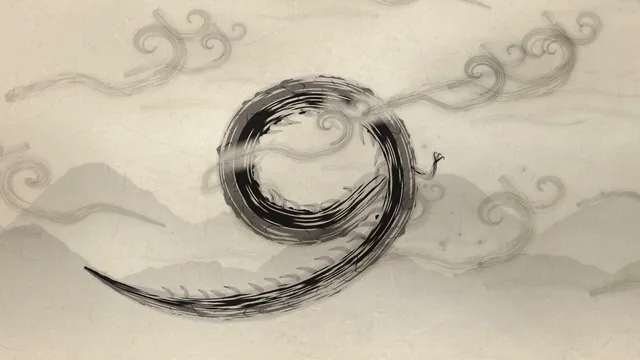 Rendered video
Claude Opus 5.5
Claude Code 2.1.280
skills on · Claude Code 2.1.280 + Remotion/HyperFrames skills
Rendered video from the run
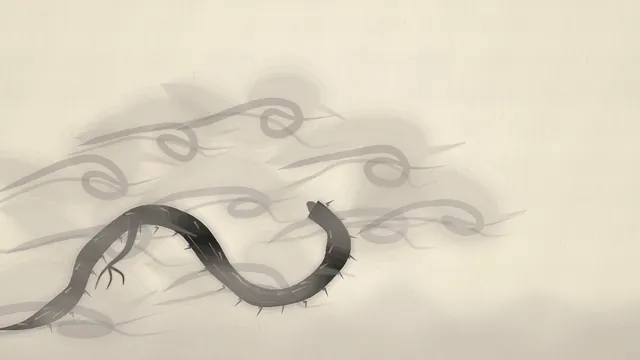 Rendered video
GPT-6 Sol
Codex CLI 0.156.1
skills on · Codex CLI 0.156.1 + Remotion/HyperFrames skills
Rendered video from the run