DeepSeek V4.1 Flash · Blender
- 4 finished runs
- 4 prompts
- 1 model
- every prompt published
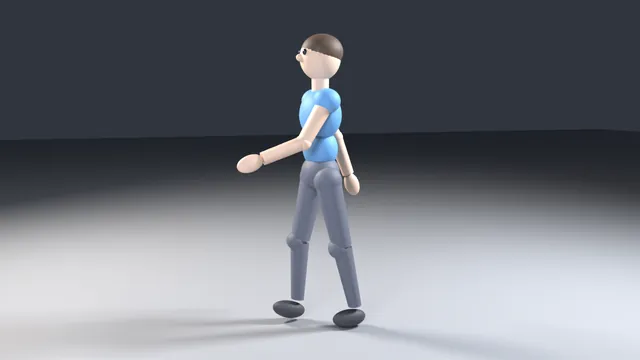
Blender humanoid walk cycle
Using Blender's Python API only (a script run headless with blender -b -P), build a humanoid character with an armature (hips, spine, neck, head, arms with elbows and hands, legs with knees and feet) skinned to a simple stylised body mesh, and animate a seamless looping walk cycle of 32 frames at 24 fps. The walk must look human: knees and elbows bend one way only within realistic joint limits, feet plant with no sliding during contact, the pelvis bobs and the torso stays upright, and arms swing opposite to the legs. Add a three-point light and a camera. Render a 1280x720 PNG still of a mid-stride frame to render.png, render a turntable video to turntable.mp4 (the character walking in place while the camera orbits once around it, 1280x720, 24 fps, at least 4 seconds), save scene.blend, and export walk.glb with the armature and the walk animation (no cameras or lights). Write everything into the working directory.
Blender lowpoly dragon
Make a low-poly scene in Blender of a dragon guarding its treasure: a stylised low-poly dragon curled protectively around a heap of gold coins, gems and an open treasure chest in a rocky cave, lit by the warm glow of the gold and a cool light from the cave mouth. Blender 5.2 is already running on this machine with the MCP for Blender add-on connected: build the scene in that Blender through the blender MCP tools (its window is on a virtual screen and there is no GPU, so render on the CPU). When you are finished, set up a camera and render the final image at 1920x1080, saving it as render.png in the current directory (Blender's working directory is this same folder). Then render a wireframe view of the same scene from the same camera at 1920x1080 (for example the Workbench engine with wireframe shading, or a wireframe pass) and save it as wireframe.png here too, and save the Blender file as scene.blend here too. You may take viewport screenshots and look at your own renders to check your work, and iterate on your own before finishing.


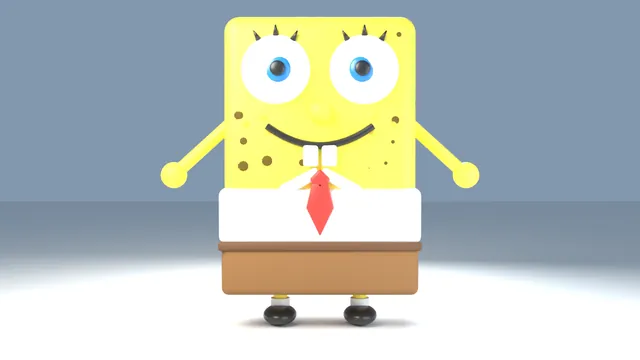
Blender spongebob
Using Blender's Python API only (a script run headless with blender -b -P), model SpongeBob SquarePants as a stylised 3D character: porous yellow sponge body, white shirt, red tie, brown square pants, big eyes with blue irises, buck teeth, thin arms and legs with white socks and black shoes. Use real material colours (Principled BSDF base colours, not procedural-only) so the model keeps its colours when exported. Add a simple three-point light and camera, render a 1280x720 PNG to render.png, save scene.blend, and export model.glb (apply modifiers, no cameras or lights). Write everything into the working directory.
Quadruped rig walk
In Blender, using Python only, model a stylized four-legged animal (for example a dog or a fox) from primitives and modifiers, build an armature rig for it (spine, neck, head, tail, and four legs with IK), skin the mesh to the rig, and animate a seamless 2-second walk cycle with a correct quadruped gait (diagonal leg pairs moving together). Render a 1920x1080 MP4 at 30 fps, about 4 seconds long (two walk cycles), with a turntable-style camera or a 3/4 side view.

Fixed inputs (do not ask for anything):
- Output: out.mp4 in the current directory, plus a still render.png (1920x1080), a wireframe.png (1920x1080) of the rigged model from the same camera (for example the Workbench engine with wireframe shading), and the Blender file scene.blend, all in the current directory too.
- No external models or textures and no AI 3D-asset or generation APIs; code only.

Blender 5.2 is already running on this machine with the MCP for Blender add-on connected: build the scene in that Blender through the blender MCP tools, running your Python there (its window is on a virtual screen and there is no GPU, so render on the CPU). Blender's working directory is this same folder. You may take viewport screenshots and look at your own renders to check your work, and iterate on your own before finishing.